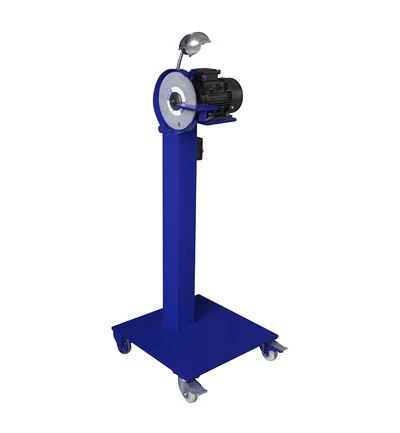

High-speed hacksaw blades are widely used in automated cutting lines for processing steel pipes, profiles, and structural materials. Operating under high rotational speeds and continuous production conditions, these blades are exposed to significant thermal loads, mechanical stress, and wear. As a result, consistent daily maintenance is critical to ensure cutting accuracy, extend blade life, and maintain overall production efficiency.
In modern manufacturing environments-particularly in tube mills and steel processing plants-improper handling or insufficient maintenance of high-speed hacksaw blades can lead to premature wear, unstable cutting performance, and even equipment failure. Establishing standardized maintenance procedures is therefore essential for both operational safety and cost control.
Operational Parameter Verification
Before initiating production, it is crucial to verify that the blade specifications are correctly matched with machine parameters. After replacing or adjusting the blade, operators must confirm that the maximum allowable rotational speed of the hacksaw blade is compatible with the actual line speed.
Operating beyond the rated speed can accelerate tooth wear, increase vibration, and raise the risk of blade failure. Conversely, running below optimal speed may reduce cutting efficiency and negatively impact productivity.
When modifying parameters such as cutting length or feed rate, adjustments should be made carefully. In online operation, reducing the production line speed before parameter changes helps minimize mechanical shock and ensures stable system response.
Control System and Automation Safety
In automated cutting systems, maintaining proper interaction with the control system is essential. During automatic operation, operators should avoid manually clearing material lengths or altering system parameters without proper procedure. Unauthorized adjustments can disrupt synchronization between the cutting unit and the production line, resulting in dimensional inaccuracies or system faults.
When switching from automatic to manual mode, it is recommended to shut down the control power supply after completing operations. This
reduces the risk of unintended machine movements and protects electronic components from unnecessary load.

Clamping and Material Positioning
Stable clamping is a key factor in achieving precise and clean cuts. The support rods and fixtures used to secure the workpiece must be adjusted appropriately. Excessive clamping force can deform the material or interfere with proper positioning, while insufficient clamping may lead to vibration, misalignment, or uneven cutting.
Operators should ensure that the workpiece-especially steel pipes-is firmly secured without excessive compression. Proper alignment minimizes blade deflection and helps maintain consistent cutting quality.
Continuous Cutting and Process Stability
During cutting operations, maintaining continuous blade motion is essential. Sudden stops while the blade is engaged with the material can cause localized overheating, tooth damage, or even blade breakage.
Additionally, operators should avoid cutting hollow or open-ended tubes under unstable conditions, as this may result in uneven load distribution on the blade. Consistent feed and uninterrupted cutting cycles contribute to smoother operation and longer tool life.
Monitoring production line speed is equally important. Fluctuations should remain within specified tolerances to prevent irregular cutting forces and maintain dimensional accuracy.

Workpiece Condition and Preparation
The condition of the material being cut has a direct impact on blade performance. Bent or deformed pipes can cause uneven contact between the blade and the workpiece, leading to increased vibration and poor cut quality.
To ensure optimal cutting conditions, any bent materials should be straightened prior to processing. Proper material preparation reduces mechanical stress on the blade and improves overall cutting consistency.
When changing workpiece specifications or adjusting machine settings, the hacksaw system must be completely stopped. This prevents accidental contact between the blade and material during setup, ensuring operator safety and equipment protection.
Cooling and Lubrication Management
Effective cooling is one of the most critical aspects of maintaining high-speed hacksaw blades. During high-speed cutting, significant heat is generated at the interface between the blade and the material. Without sufficient cooling, this heat can lead to thermal softening of the cutting edge, accelerated wear, and reduced blade life.
A continuous and adequate supply of cooling fluid (coolant or water-based solutions) is essential. Proper cooling not only reduces temperature but also helps flush away chips and debris from the cutting zone, preventing clogging and improving cutting efficiency.
Operators should regularly inspect the coolant system to ensure consistent flow, proper nozzle positioning, and adequate fluid levels.
Machine Shutdown and Post-Operation Care
At the end of a production cycle, proper shutdown procedures are necessary to maintain equipment integrity. After exiting automatic mode, turning off the control power supply helps protect electrical systems and reduces energy consumption.
In addition, blades should be inspected for signs of wear, such as tooth dullness, chipping, or uneven wear patterns. Early detection of these issues allows for timely replacement or reconditioning, preventing further damage to both the blade and the machine.
Preventive Maintenance and Performance Optimization
Beyond daily operational practices, implementing a preventive maintenance program can significantly enhance blade performance and service life. Key measures include:
Regular inspection of blade alignment and tension
Monitoring vibration levels during operation
Ensuring proper lubrication of machine components
Maintaining clean cutting environments to reduce contamination
Data-driven monitoring systems are increasingly used in modern production lines to track blade performance in real time. These systems help identify abnormal conditions early and enable predictive maintenance strategies.
Conclusion
High-speed hacksaw blades play a vital role in modern industrial cutting processes, particularly in high-volume steel and tube production. Their performance and lifespan depend heavily on proper daily maintenance, correct operational practices, and stable production conditions.
By ensuring accurate parameter settings, maintaining effective cooling, stabilizing material clamping, and following safe operating procedures, manufacturers can significantly improve cutting efficiency and reduce downtime. In demanding industrial environments, disciplined maintenance is not only a technical requirement but also a key factor in achieving consistent product quality and cost-effective production.