
PVC (Polyvinyl Chloride) pipes are widely used in construction, plumbing, electrical conduit systems, drainage networks, and industrial installations due to their corrosion resistance, lightweight structure, and cost efficiency.Although PVC is considered a relatively soft material compared with metals, achieving a clean and efficient cut still requires the correct cutting tool design.
Unlike metal-cutting blades that focus on wear resistance and heat resistance, HCS blades are optimized for softer materials where cutting speed, smooth edges, and reduced material damage are the primary requirements.
Material Characteristics of PVC and Cutting Challenges
PVC has a unique structure compared with traditional engineering materials. It has relatively low hardness, good toughness, and a certain degree of elasticity. During cutting, the material tends to deform rather than fracture immediately.
Several challenges can occur when using an unsuitable blade:
●Excessive vibration caused by flexible pipe walls
●Melting or softening due to friction heat
●Rough edges requiring additional finishing
●Tooth clogging caused by plastic chips
●Reduced cutting efficiency due to inappropriate tooth geometry
Unlike steel cutting, where the main concern is tooth wear caused by high hardness, PVC cutting requires a blade that can remove material quickly while maintaining a smooth cutting action.
Advantages of HCS Reciprocating Saw Blades for PVC Cutting
The main advantage of HCS blades is their excellent initial sharpness.
High Carbon Steel can be heat-treated to achieve sufficient hardness for maintaining a sharp cutting edge while remaining flexible enough to withstand reciprocating movement.
During PVC cutting, the blade teeth can penetrate the plastic structure efficiently, reducing cutting resistance and improving cutting speed.
Compared with harder tooth materials designed for abrasive applications, HCS blades provide a more aggressive cutting action on soft plastics.
PVC pipe installation often involves cutting in restricted spaces, including:
●Wall openings
●Ceiling areas
●Underground pipe systems
●Renovation environments
Reciprocating saw blades experience continuous bending stress during operation, especially when the operator changes cutting angles or applies uneven pressure.
The flexible characteristics of HCS steel help the blade absorb mechanical impact, reducing the risk of sudden fracture.
For PVC cutting, tooth design is as important as blade material.
Typical HCS PVC cutting blades use larger tooth profiles and optimized gullet spaces to improve chip evacuation.
During cutting:
●Large gullets transport plastic chips away from the cutting zone
●Proper tooth spacing prevents clogging
●Reduced friction minimizes heat accumulation
For thicker PVC pipes or industrial plastic tubes, selecting an appropriate TPI (teeth per inch) is essential.
General recommendations:
| Application | Recommended TPI |
| Thin PVC pipe | 10-14 TPI |
| Medium wall PVC pipe | 8-10 TPI |
| Large diameter pipe | 6-8 TPI |
HCS vs Bimetal Reciprocating Saw Blades for PVC Applications
Although bimetal blades are considered premium cutting tools for mixed materials, HCS blades can provide better cost-performance for pure PVC applications.
Material Comparison
| Feature | HCS Blade | Bimetal Blade |
| Tooth Material | High Carbon Steel | HSS Teeth + Alloy Steel Back |
| Cutting Materials | Wood, PVC, plastics | Metal, wood with nails, mixed materials |
| Flexibility | Excellent | Very Good |
| Wear Resistance | Medium | High |
| Cost | Lower | Higher |
| Recommended Use | Clean plastic cutting | Mixed material cutting |
For applications involving only PVC pipes, HCS blades provide sufficient performance without unnecessary material costs.
However, when PVC pipes contain reinforcement layers, metal components, or accidental nail contact during renovation projects, bimetal blades become a safer option due to their stronger tooth durability.
Tooth Pitch Selection for Different PVC Pipe Applications
Balancing Cutting Speed and Surface Quality
Choosing the correct tooth pitch directly affects cutting efficiency.
Thin-Wall PVC Pipes
Thin pipes require more teeth engagement during cutting.
A higher TPI blade can prevent aggressive tooth grabbing and reduce vibration.
Typical applications:
●Electrical conduit
●Small drainage pipes
●Residential plumbing systems

Thick-Wall PVC Pipes
Large diameter pipes require deeper chip removal.
Lower TPI blades provide:
●Faster cutting speed
●Better chip clearance
●Reduced overheating
Typical applications:
●Industrial piping
●Underground drainage systems
●Municipal pipeline installation
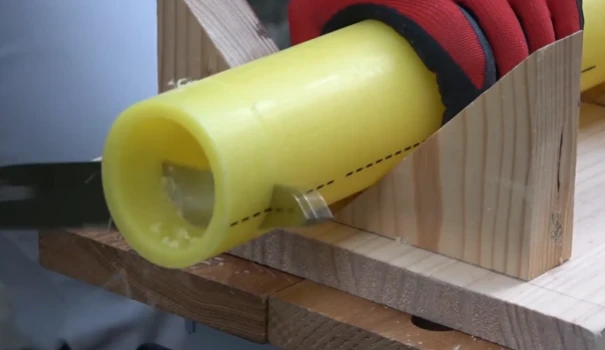
Practical Applications of HCS Reciprocating Saw Blades in PVC Cutting
Construction and Plumbing Installation
Professional plumbers frequently use reciprocating saws because they provide:
●Fast cutting speed
●Easy access in narrow spaces
●Compatibility with cordless tools
HCS blades allow installers to quickly adjust pipe lengths directly on-site.


Electrical and HVAC Installation
PVC conduit systems require frequent cutting during electrical installation.
HCS reciprocating blades help workers achieve:
●Quick dimension adjustment
●Reduced edge damage
●Improved installation efficiency
Renovation and Maintenance Projects
During renovation work, operators often need to remove old plastic pipes in confined areas.
The flexibility of HCS blades makes them suitable for:
●Bathroom renovation
●Residential repair
●Commercial maintenance

How to Extend the Service Life of HCS PVC Cutting Blades
Although PVC is a soft material, improper operation can shorten blade life.
Recommended practices include:
Maintain Proper Cutting Pressure
Excessive force does not improve cutting speed. It increases vibration and accelerates tooth damage.
The blade should perform the cutting action naturally through reciprocating movement.
Avoid Excessive Heat Generation
Although PVC requires lower cutting force than metals, high friction can soften plastic and create melted chips.
Using an appropriate tooth pitch and maintaining moderate speed helps prevent overheating.
Select the Correct Blade Length
Blade length should match the pipe diameter.
A longer blade provides greater cutting range but may increase vibration if excessive blade exposure exists.
Common reciprocating saw blade lengths include:
●4 inch
●6 inch
●8 inch
●9 inch
●10 inch
●12 inch
Selection should consider both cutting depth and operational stability.
HCS reciprocating saw blades are suitable for PVC pipe cutting because they are specifically designed for applications requiring sharp cutting performance, flexibility, and economical operation. Their material characteristics, tooth design, and adaptability make them an effective choice for plumbing, construction, electrical installation, and maintenance industries.