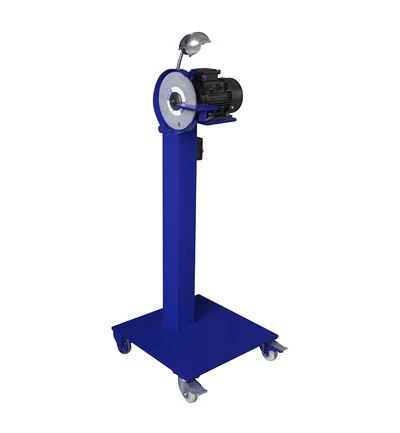

The furniture manufacturing sector continues to exert significant influence on the global demand for woodworking bandsaw blades as production volumes rise in tandem with expanding construction, interior fit-out, and custom joinery markets. According to recent market reports, woodworking applications account for a substantial share of total bandsaw blade consumption, driven in large part by furniture and wood panel fabrication activities. In 2027, the woodworking segment represented approximately 48% of global bandsaw blade usage, highlighting furniture production as a core driver of demand for resilient, economically efficient cutting tools.
Carbon steel bandsaw blades remain a mainstay in furniture fabrication due to their balance of performance, flexibility, and cost-effectiveness relative to premium alternatives. Constructed from high-carbon alloy steel that undergoes precision heat treatment to harden tooth edges, these blades provide the rigidity and cutting fidelity needed for typical furniture tasks, including resawing, contour cutting, and component shaping. Their design supports both straight and curved cuts on hardwood, softwood, composite panels, and other materials frequently encountered in furniture manufacturing environments.

Performance Characteristics in Furniture Production
In workshop and production settings, carbon steel bandsaw blades deliver several practical advantages. The heat-treated tooth tips ensure a sharp cutting interface, which reduces cutting resistance and improves surface finish; this effect is particularly valuable when working with materials such as plywood, MDF, and hardwoods used in furniture frames and cabinet parts. BOYA carbon steel blades feature a flexible design that enhances their fatigue resistance, allowing the blade to absorb contour-cutting stresses without premature failure, especially in applications involving complex shapes.
Carbon steel blades also exhibit low cost-per-cut metrics relative to bi-metal or carbide-tipped variants, making them economically attractive for volume production and high-throughput environments. Furniture manufacturers often stock a range of tooth configurations to match diverse cutting tasks-finer pitches for clean finish cuts and coarser pitches for rapid stock removal. This multi-application versatility further cements carbon steel bandsaw blades as a staple in woodworking tool inventories.

Market Dynamics and Growth Drivers
Furniture manufacturing's influence on cutting tool markets is also reflected in adjacent segments such as panel saws and other cutting systems used for board processing. Forecasts suggest that precision panel saw markets, closely tied to furniture and cabinetry production, will continue to grow at an appreciable rate through the end of the decade, reinforcing long-term demand for compatible bandsaw blades and cutting accessories.
Operational and Cost Considerations
Despite the rise of premium blade technologies such as carbide-tipped and bi-metal designs, carbon steel bandsaw blades retain a strong position in the furniture sector due to their balance of wear resistance, cutting quality, and affordability. Although they may exhibit lower wear performance compared to high-end alternatives on highly abrasive or hard materials, carbon blades are well suited for the majority of wood types encountered in furniture fabrication. Their utility extends from rough dimensioning to precision contour cutting, supporting varied production demands without excessive tooling cost.
Suility and Lifecycle Practices
Companies active in sustainable furniture production increasingly consider blade life and recyclability in their tooling decisions. While carbon steel blades may require more frequent replacement than some premium options, their recyclability and relatively simple material composition support broader sustainability goals, especially when coupled with efficient cutting workflows that reduce waste and energy usage.
Manufacturers and vendors alike highlight blade selection education-matching tooth configuration to specific wood species, panel types, and cutting conditions-to optimize both performance and material utilization. Effective blade selection not only improves cut surface quality and dimensional accuracy but also extends effective blade life before replacement.
Going forward, the furniture manufacturing industry's influence on woodworking tool markets is expected to persist, underpinning stable demand for reliable carbon steel bandsaw blades. While technological advances continue to expand blade capabilities and integrate cutting operations with digital production frameworks, the fundamental attributes of carbon steel blades-cost-effectiveness, versatility, and adequate performance for standard woodworking tasks-will sustain their relevance in workshop and industrial settings.
Furniture manufacturers that combine intelligent equipment with optimized tooling strategies are positioned to achieve higher throughput and consistently high cut quality. As the global furniture market evolves, carbon steel bandsaw blades will remain a core element of tool inventories, supporting both traditional woodworking processes and more advanced production paradigms.