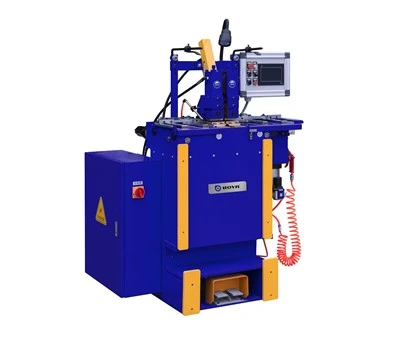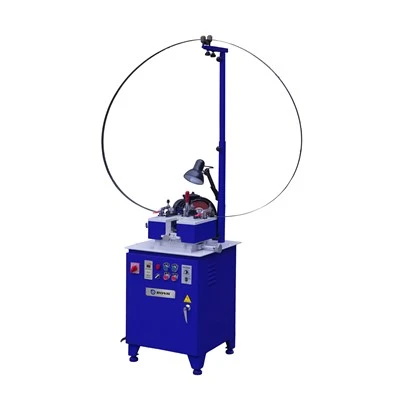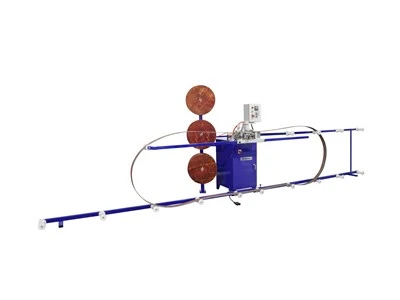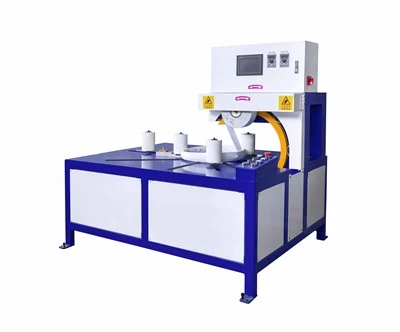

As manufacturers push to reduce operating costs, procurement teams are increasingly evaluating bandsaw blades through the lens of total cost of ownership (TCO) rather than upfront price alone. Industry reports and case studies consistently show that higher-grade blades - especially when paired with structured regrind or remanufacturing programs - can lower cost per cut, reduce downtime, and improve process stability compared with frequently replacing low-cost, disposable blades.
●Looking Beyond the Sticker Price
A comprehensive TCO assessment considers factors rarely listed on a purchase order: blade life, regrind cycles, machine wear, operator time for blade changes, scrap from poor cuts, and logistics for spare inventory. In many operations, purchase cost represents only a small portion of overall spend; operating, maintenance and failure-related expenses dominate.
Studies from sawmill and industrial cutting environments show that even modest improvements in blade durability significantly reduce downtime and overall grinding or replacement costs. The business case for premium materials and precision manufacturing becomes especially clear when changeovers or scrap rates are high.
●How Premium Blades Reduce Operating Costs
Premium blades - such as powder-metallurgy HSS strips, carbide-tipped designs, or blades with ground-tooth geometries - typically provide longer service intervals and more predictable regrind performance. This results in fewer changeovers, less machine stress, and more consistent cut quality. Professional sharpening and reconditioning services further enhance ROI by improving quality, lowering machine wear, and reducing cost per cut.
Robust reconditioning is equally crucial. Blades engineered for repeatable regrinds and controlled reweld repair shift spending away from constant new-blade purchases toward a managed lifecycle - improving sustainability and long-term cost efficiency. These gains, however, rely on strict inspection, verified grinding tolerances, and controlled weld processes.
●What Procurement Teams Should Request
-When assessing suppliers or reconditioning partners, buyers should ask for:
-Documented lifecycle performance (cutting hours to first resharpen/discard, regrind counts).
-Cost models comparing unit price to lifecycle cost per tonne or per part, including downtime and labor.
-Verified process controls for regrind and weld repair, including tolerance and hardness checks.
-Pilot trials with clear acceptance criteria measuring scrap, cycle time, and downtime.
●A Practical Purchasing Framework
-Establish a baseline - track blade life, changeover time, scrap rates and regrind history.
-Conduct comparative trials - test premium, regrindable blades against commodity options under identical workloads.
-Validate reconditioning quality - ensure grinding geometry and hardness are documented after each service.
-Negotiate service-based agreements - bundle blades with scheduled regrinds, tracked returns and guaranteed turnaround times.
For medium- and high-volume operations, the lowest purchase price rarely delivers the lowest operating cost. Suppliers that can provide proven lifecycle data - and buyers who adopt TCO-based evaluation - consistently achieve better value. As productivity and sustainability pressures rise, TCO-driven procurement is set to become the new standard for bandsaw blade sourcing.