
Steel hardness is a critical factor in hole saw selection, directly influencing cutting resistance, heat generation, tooth wear, and overall tool life. From ordinary carbon steel to alloy steel and stainless steel, differences in composition, microstructure, and mechanical properties create distinct cutting conditions. Using the same hole saw and operating parameters for every steel grade can lead to inefficient cutting, premature tooth wear, or even tooth failure.
Why Steel Hardness Matters in Hole Saw Cutting
Hardness indicates a material's resistance to localized deformation and indentation. During cutting, harder steel generally places greater demands on the cutting edge, although hardness alone does not determine machinability.
Other factors, including tensile strength, work-hardening tendency, thermal conductivity, and microstructure, also influence cutting performance.
Three challenges are particularly important:
●Cutting resistance: Stronger or harder steel may require greater cutting force and place higher mechanical loads on individual teeth.
●Thermal stress: Friction and plastic deformation generate heat near the cutting edge. Excessive temperatures can accelerate wear and reduce the cutting edge's hardness.
●Edge deterioration: Abrasive wear, local chipping, and repeated impact can progressively damage the teeth, especially when operating conditions are unsuitable.
A properly selected bimetal hole saw balances cutting-edge hardness with structural toughness. The HSS teeth provide wear resistance, while the steel body supports the cutting rim and helps it withstand operational loads.
Cutting Ordinary Carbon Steel: Maintaining Efficiency and Tool Life
Ordinary carbon steel is widely used in fabrication workshops, construction, machinery manufacturing, and general maintenance. Its machinability varies with carbon content, heat treatment, and material condition. Low-carbon steel is generally easier to cut than high-carbon or hardened steel.
Recommended Cutting Considerations
For low- and medium-carbon steel, a suitable bimetal hole saw can provide efficient cutting when the operating parameters match the workpiece.
Key practices include:
●Select a tooth pitch appropriate for the material thickness and geometry.
●Use a stable, controlled feed rather than forcing the tool through the workpiece.
●Apply cutting fluid where appropriate to reduce friction and assist heat removal.
●Clear accumulated chips before they interfere with cutting.
A hole saw that cuts efficiently through thin sheet steel may not perform equally well on a thick solid section. Thicker workpieces maintain tooth engagement for longer periods and produce more chips, increasing thermal exposure and the demand for effective chip evacuation.
For structural steel tubes and hollow profiles, interrupted tooth engagement introduces another challenge: the teeth repeatedly enter and leave the material. Secure workpiece clamping and controlled feed help limit vibration and reduce the risk of tooth damage.
Cutting Alloy Steel: Managing Higher Mechanical and Thermal Loads
Alloy steel contains additional elements such as chromium, molybdenum, nickel, or vanadium to achieve specific combinations of strength, toughness, hardenability, and wear resistance. Its cutting behavior depends on the alloy composition and, particularly, its heat-treated condition.
Some annealed alloy steels remain readily machinable, while quenched or hardened grades can place substantially greater demands on a hole saw.
Selecting the Cutting Edge
M42 high-speed steel, typically containing approximately 8% cobalt, is often selected for demanding metal-cutting applications because it combines high hot hardness with good wear resistance. These properties help the cutting edge retain its performance under elevated cutting temperatures.
Nevertheless, an M42 cutting edge cannot compensate for every operating error. Excessive speed, inadequate lubrication, poor chip clearance, or excessive feed can still cause premature failure.
Before cutting alloy steel, we should verify:
1.The steel grade and its heat-treatment condition.
2.The manufacturer's recommended cutting speed for the material.
3.Whether the selected hole saw is suitable for the required cutting depth.
4.The rigidity of the machine, arbor, and workpiece setup.
For thick sections, reducing unnecessary heat buildup and maintaining consistent chip formation are particularly important. If cutting resistance rises unexpectedly, the operator should inspect the workpiece condition, tooth wear, and operating parameters rather than simply increasing feed pressure.
Cutting Stainless Steel: Controlling Heat and Work Hardening
Maintain a positive cutting action. Apply a controlled feed that allows the teeth to remove material instead of rubbing continuously against the workpiece.
Avoid excessive cutting speed. Stainless steel generally requires more conservative cutting conditions than readily machinable low-carbon steel. Follow the hole saw manufacturer's recommendations for the specific grade and diameter.
Use suitable lubrication. An appropriate cutting fluid helps reduce friction and carry heat away from the cutting zone. Ensure that the fluid is compatible with the material and application.
Prevent unnecessary interruptions. Repeated rubbing, dwelling, or stopping under load can promote local work hardening. Plan the operation to maintain stable cutting conditions.
M42 HSS teeth are a practical option for many stainless steel applications, but performance still depends on tooth geometry, cutting parameters, and the stainless steel grade. No single speed or feed setting is suitable for every stainless steel workpiece.
Tooth Pitch and Geometry: Matching the Tool to the Workpiece
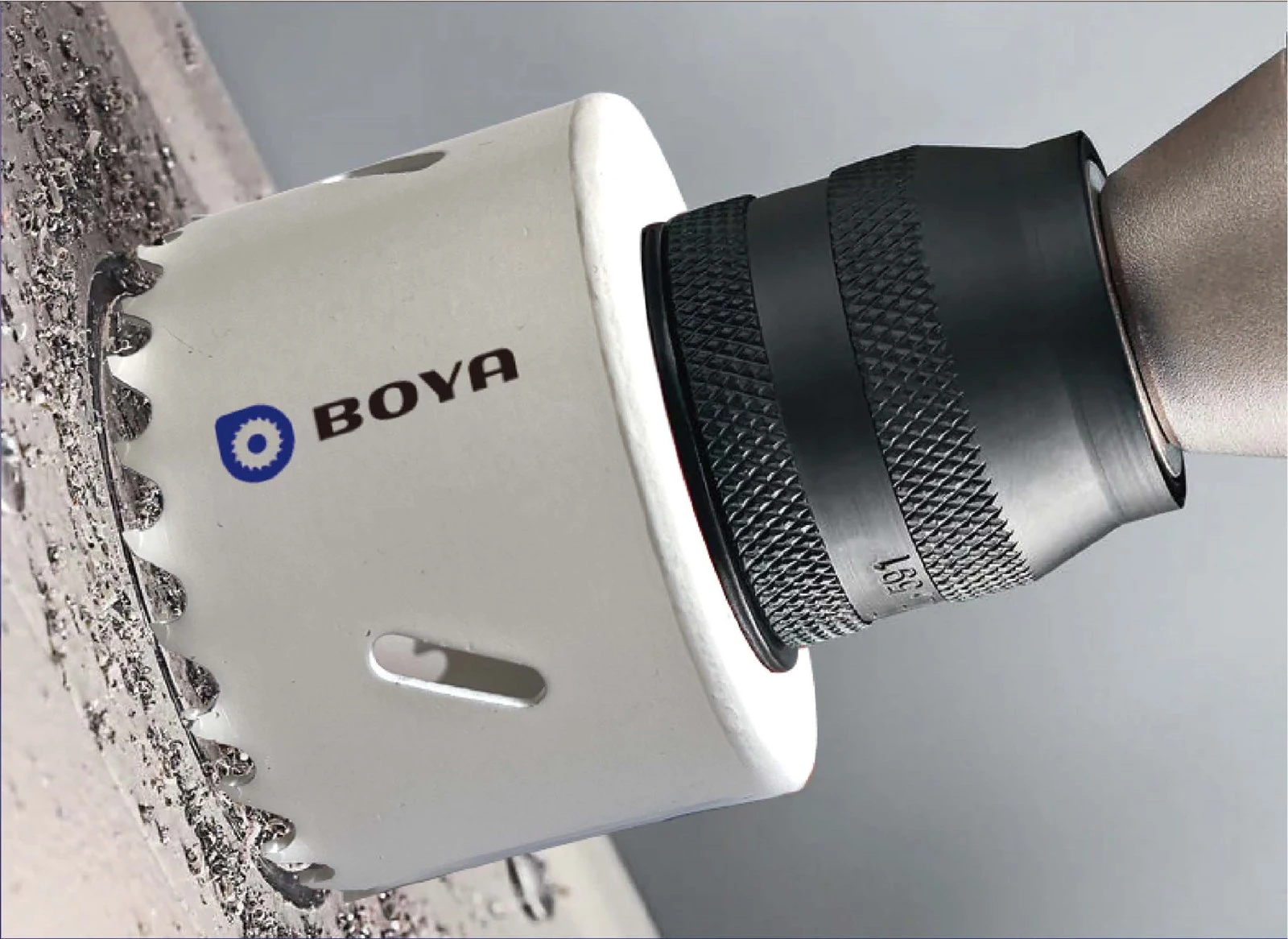
Steel hardness is only one part of the selection process. Tooth pitch determines how many teeth engage the material at a given moment, influencing cutting smoothness, chip space, and tooth loading.
A coarse tooth pitch generally provides more space for chip formation and evacuation, which can be beneficial in thicker sections. A finer pitch can provide smoother engagement in thinner materials, provided that sufficient chip clearance is maintained.
Variable-pitch tooth arrangements can help reduce repetitive vibration by changing the intervals between tooth engagements. This is particularly useful when cutting steel tubes, profiles, and other workpieces that create interrupted cutting conditions.
The correct configuration depends on both wall thickness and material properties. If too few teeth engage a thin wall, individual teeth may experience excessive impact. Conversely, if too many teeth engage a thick section, chip congestion and increased friction may impair performance.
Cutting Speed, Feed Pressure, and Lubrication Must Work Together
Reliable cutting depends on the interaction of operating parameters rather than any single setting.
Cutting speed:
Excessive speed can accelerate thermal wear, especially when cutting alloy or stainless steel.
Feed pressure:
Insufficient feed may cause rubbing, while excessive pressure can overload teeth and increase the risk of binding.
Lubrication:
Appropriate cutting fluid reduces friction and supports heat management in metal-cutting operations.
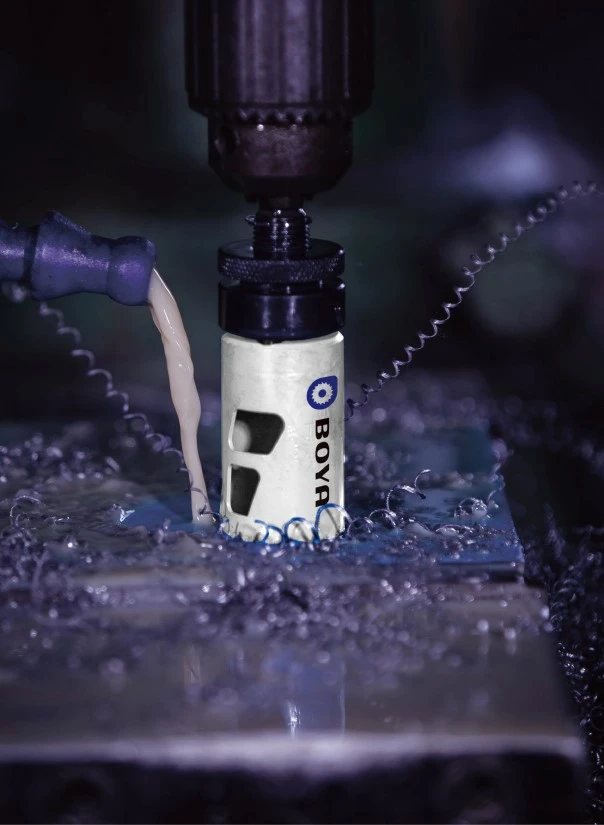
A securely clamped workpiece and suitable arbor reduce movement that can damage the cutting edge.
Operators should use manufacturer-recommended settings as the starting point and adjust them according to the actual workpiece, machine rigidity, and cutting results.
A sudden increase in cutting time, unusual vibration, discoloration, or deteriorating chip formation may indicate that the operating conditions need attention.
Bimetal hole saw performance depends on matching the cutting edge, tooth geometry, and operating parameters to the properties of the steel being processed. Ordinary carbon steel often permits efficient cutting under standard conditions, alloy steel may demand greater wear resistance and careful load management, and stainless steel requires particular attention to heat buildup and work hardening.
Dependable results come from selecting the appropriate tooth configuration, controlling speed and feed, using suitable lubrication, and maintaining a stable setup.