
In reciprocating saw applications, cutting efficiency depends on more than blade material, tooth pitch, or coating technology. Tooth geometry also plays a decisive role in how effectively a blade engages the workpiece, removes material, and maintains stable cutting performance.
Recent customer interest in reciprocating saw blades featuring advanced coatings-a demand that BOYA TOOLS' latest R&D efforts can effectively address with a suitable alternative. This development was inspired by an examination of another critical aspect of saw blade design: the relationship between tooth height, tooth pitch, and cutting efficiency.
Our current development project focuses on a new straight reciprocating saw blade featuring a high-low tooth configuration, in which adjacent teeth have different heights. The objective is to improve cutting engagement and approach the efficiency traditionally associated with curved reciprocating saw blades, while retaining a straight blade profile.
Why Curved Reciprocating Saw Blades Can Cut Efficiently
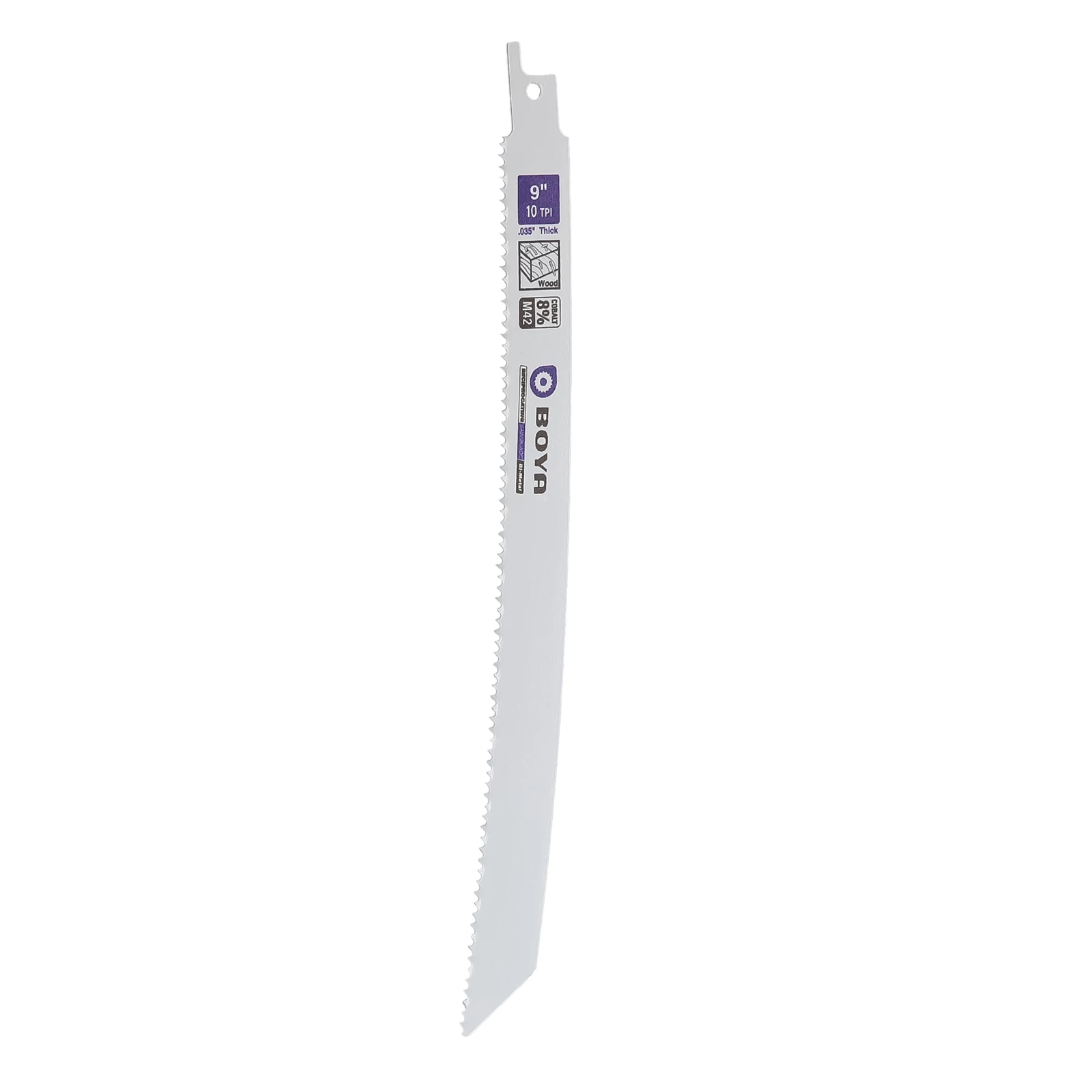
Curved reciprocating saw blades have a distinctive geometric advantage. Their cutting edges follow a curved profile rather than a conventional straight line, changing how the teeth engage the workpiece during each cutting stroke.
Under comparable cutting conditions, a curved blade may bring more teeth into contact with the material simultaneously. This increased engagement can distribute the cutting load across more teeth. Rather than concentrating the cutting force on a smaller number of cutting points, the blade can share the workload across a wider contact region.
Potential benefits include:
●More distributed tooth loading during cutting.
●Greater material engagement within the active cutting zone.
●Improved cutting continuity under suitable operating conditions.
●Higher material removal potential when chip evacuation remains effective.
However, a larger number of engaged teeth does not automatically guarantee faster cutting. Excessive engagement can increase friction, cutting resistance, and chip accumulation, particularly when tooth pitch is unsuitable for the workpiece thickness. Curved geometry therefore needs to be evaluated alongside tooth design, blade rigidity, and operating parameters.
Eleganzo is a comprehensive design firm specializing in architecture,interior design,branded environments,strategic lanning,and urban design.
The Challenge: Achieving Similar Engagement with a Straight Blade
Although curved blades offer advantages in certain applications, their geometry is not necessarily the preferred solution for every user or production requirement.
BOYA TOOLS is exploring an alternative: retaining a straight blade profile while modifying the height and geometry of individual teeth.
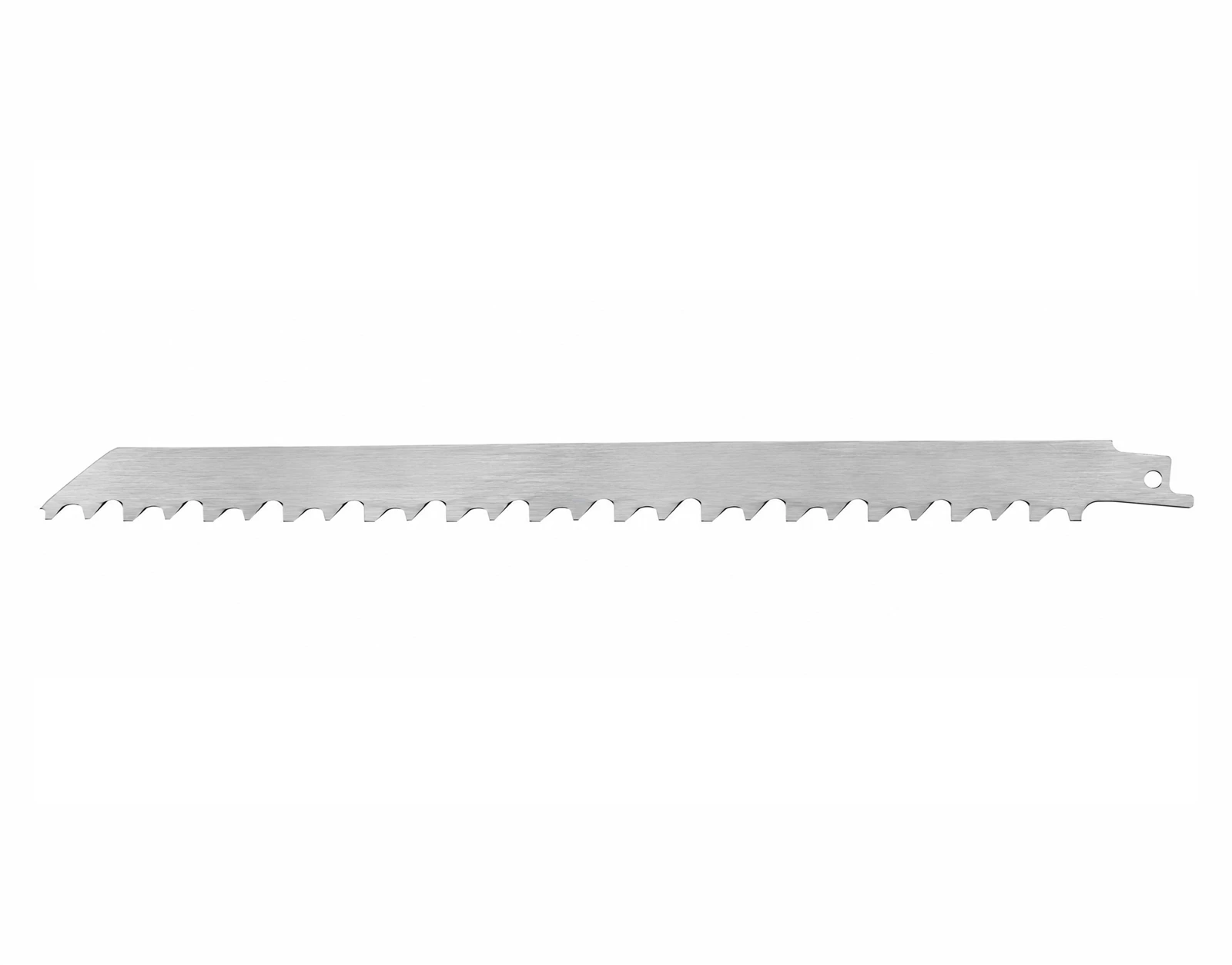
The central idea is to create a more varied cutting edge. Instead of positioning every tooth at an identical height, the proposed design incorporates alternating high and low teeth. Tooth dimensions, gullet shapes, and cutting-tip heights are also adjusted through a milling process.
This produces a cutting profile with multiple height levels rather than a uniform straight cutting edge.
The purpose is not simply to increase the number of teeth. It is to control how individual teeth enter the material, distribute cutting forces, and contribute to material removal throughout the reciprocating stroke.
By adjusting the relative heights and spacing of the teeth, the design aims to increase effective cutting engagement while maintaining sufficient space for chip formation and evacuation.
Why Milled Tooth Geometry Matters
The manufacturing process is essential to achieving a consistent high-low tooth configuration.
In this development project, milling is used to shape the tooth profile and establish the intended differences in tooth height, tooth dimensions, and gullet geometry. These features must work together rather than being treated as independent dimensions.
Three design factors deserve particular attention:
Tooth Height Variation
The difference between high and low teeth determines how the cutting edge initially engages the workpiece and how the cutting load is distributed. If the height difference is excessive, some teeth may carry disproportionate loads while others contribute less effectively. If it is insufficient, the intended engagement advantage may not be fully achieved.
Tooth Gullet Geometry
The gullet provides space for chips generated during cutting. Its depth and shape influence chip capacity and evacuation. A tooth configuration that increases engagement but restricts chip removal may generate additional friction and heat, reducing overall efficiency.
Tooth Dimensions and Cutting Sequence
The relative dimensions and positions of the teeth affect the sequence in which they enter the material. A properly coordinated arrangement can distribute cutting work more effectively and help prevent individual teeth from being overloaded.
The objective is to establish a balanced tooth geometry in which cutting engagement, force distribution, and chip clearance remain compatible.
BOYA TOOLS' Development and Initial Testing
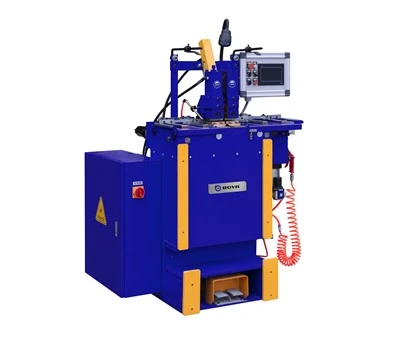
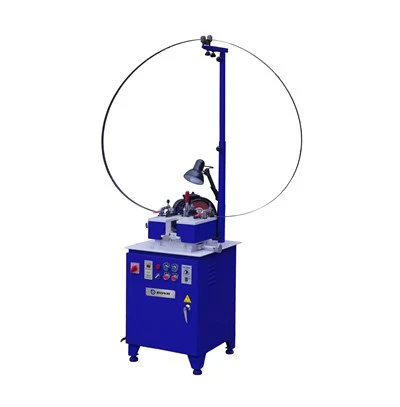
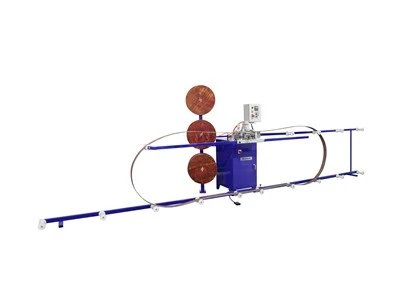
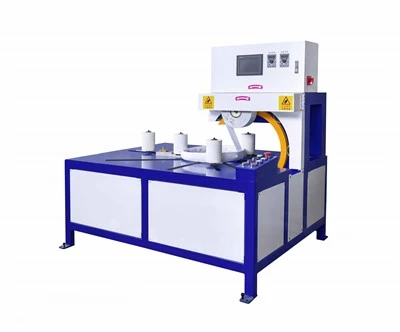
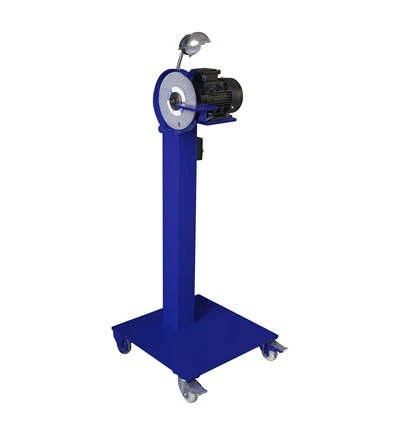
To move beyond theoretical design, BOYA TOOLS has invested in additional equipment and is carrying out dedicated development work on high-low tooth reciprocating saw blades.
The project involves examining tooth geometry, refining milling parameters, and comparing cutting behavior against conventional straight blades and curved blade configurations.
In our current preliminary tests, the new straight high-low tooth design has demonstrated cutting efficiency comparable to curved reciprocating saw blades under the conditions evaluated so far.
This is an encouraging result, particularly because the design aims to combine the engagement characteristics of a more complex cutting profile with the familiar straight blade format.
Nevertheless, the product remains under development. Further testing is necessary to evaluate performance across different workpiece materials, thicknesses, and cutting conditions. Cutting speed alone is not sufficient to establish overall blade performance.
Our evaluation also considers cutting stability, tooth wear, blade durability, chip evacuation, and consistency over repeated cutting cycles. These factors are essential for determining whether the design can deliver reliable performance in practical applications.
Beyond Cutting Speed: What Needs to Be Verified?
A new tooth configuration should be assessed as a complete cutting system rather than judged by a single test result.
Several variables can influence the final performance:
●Workpiece material: Steel grade, hardness, and material structure affect cutting resistance and tooth wear.
●Workpiece dimensions: Material thickness and cross-sectional shape determine how many teeth engage the cutting zone.
●Machine parameters: Stroke length, stroke rate, and applied feed force influence the cutting process.
●Blade construction: Blade thickness, backing material, and tooth material affect rigidity and resistance to fatigue.
●Lubrication and heat generation: In applicable metal-cutting operations, friction and temperature can influence tool life and cutting stability.
For this reason, our next development stages will focus on repeatable comparisons under controlled conditions. Only through broader testing can we establish the most suitable applications and define the product's performance characteristics with confidence.
A New Direction for Reciprocating Saw Blade Development
At BOYA TOOLS, product development is driven not only by manufacturing capabilities but also by the practical requirements raised by customers.
The high-low tooth reciprocating saw blade is one example of how customer interest can lead to new technical exploration. Rather than simply following existing blade configurations, we are investigating how tooth geometry can be redesigned to improve cutting engagement and offer another performance option to professional users.
We are still refining the design and validating its performance. Once the product reaches a mature and stable stage, we plan to make samples available for interested partners to conduct their own application tests.
If you are interested in variable-height tooth technology or have specific requirements for high-performance reciprocating saw blades, we welcome your inquiries and technical discussions.
Contact BOYA TOOLS to learn more about our ongoing development and future sample-testing opportunities!