
Fundamental Differences in Cutting Principles
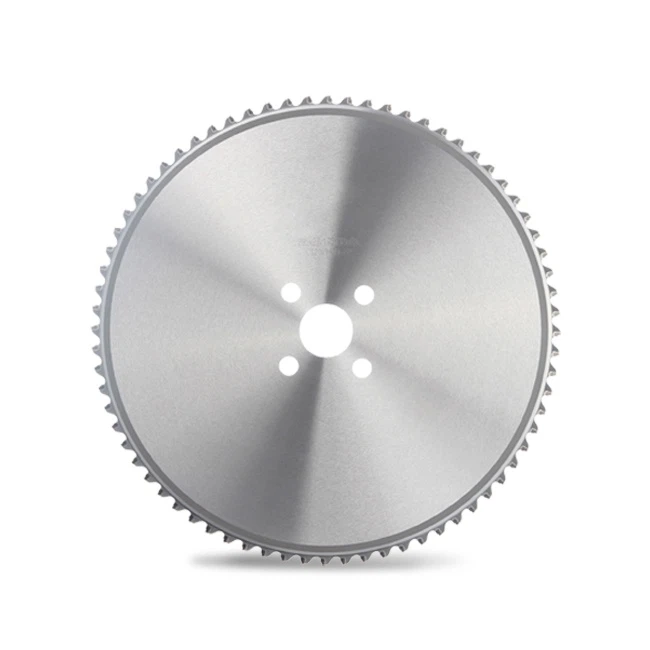
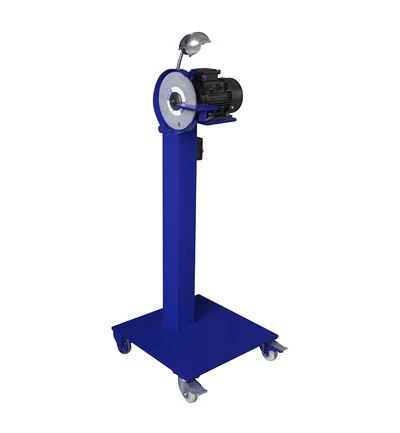
Cold saws employ a continuously rotating circular blade, typically manufactured from high-speed steel (HSS) or fitted with carbide teeth. During operation, each tooth engages the workpiece in a highly controlled and repetitive manner, producing fine chips while maintaining relatively low workpiece temperatures. The rigidity of the machine and blade assembly enables accurate, square cuts with minimal deviation, making cold saws a preferred solution for repetitive fabrication tasks.
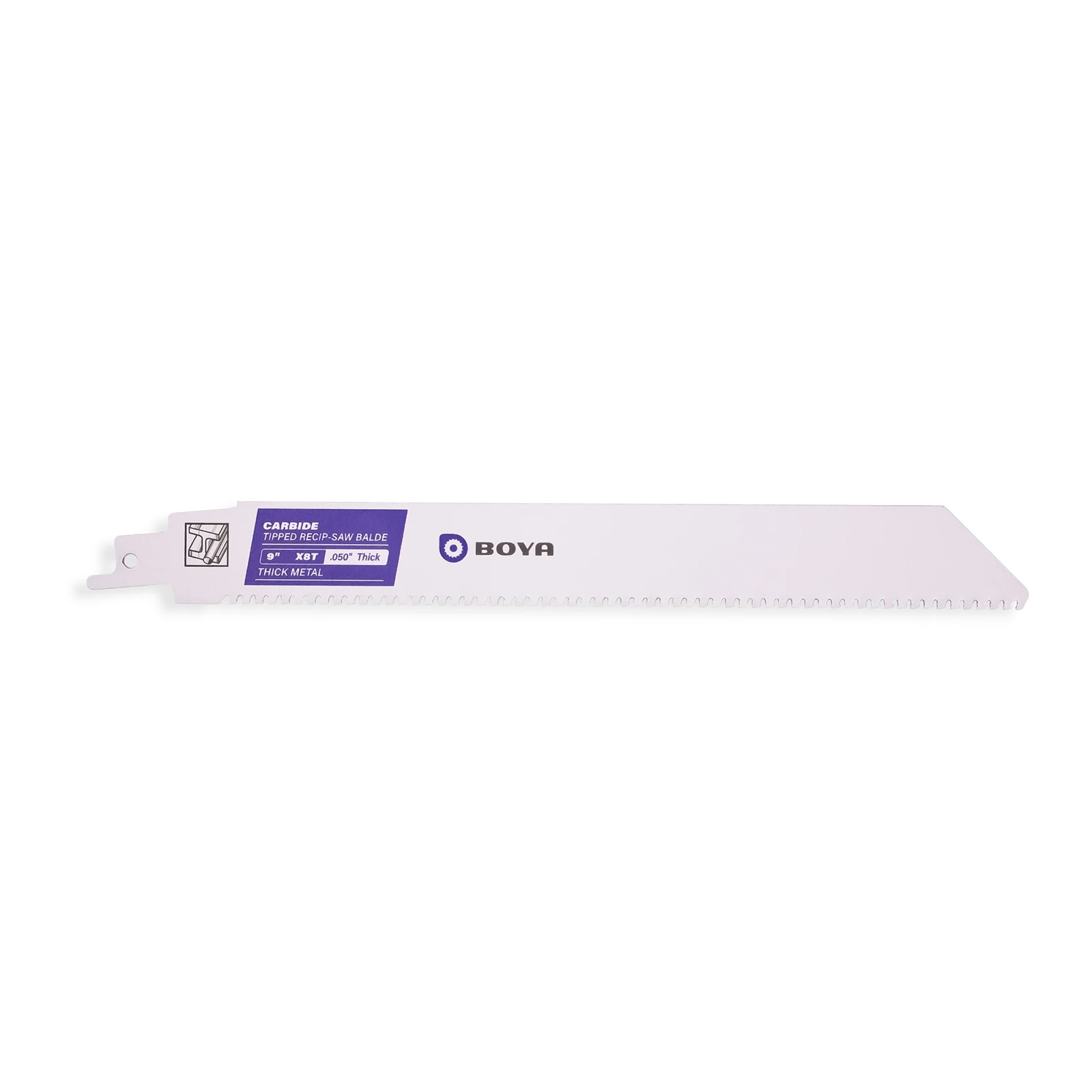
Reciprocating saws, by contrast, utilize a linear back-and-forth motion. Each stroke removes a small amount of material through intermittent tooth engagement. Modern bi-metal and carbide reciprocating blades incorporate advanced tooth geometries, optimized rake angles, and deep gullets that improve chip evacuation and reduce vibration. Unlike cold saws, reciprocating systems are designed to prioritize adaptability and portability over fixed-machine precision.
Performance in Structural Steel and Pipe Cutting
Structural steel fabrication often involves cutting a wide range of products, including hollow sections, square and rectangular tubing, angle iron, channels, and heavy-wall pipes. Material dimensions and geometry can vary substantially from one project to another, requiring a cutting solution capable of accommodating irregular workpieces.
Cold saws excel in workshops where stock materials are standardized and production volumes are high. Their rigid clamping systems and constant rotational motion produce highly accurate cuts with excellent surface finish and repeatability. Burr formation is typically minimal, reducing the need for secondary deburring operations before welding or assembly.
Reciprocating saws, however, offer advantages in situations where workpieces are large, fixed in place, or difficult to transport. In construction, demolition, maintenance, and field installation projects, operators often need to cut installed steel pipes or structural members that cannot be moved to a stationary machine. Portable reciprocating saws allow these tasks to be completed directly on site while maintaining acceptable cut quality and operational safety.
Cut Quality and Dimensional AccuracyOne of the primary reasons cold saws remain indispensable in fabrication facilities is their ability to produce highly accurate cuts. The combination of machine rigidity, controlled feed systems, and stable rotational cutting minimizes blade deflection, allowing close dimensional tolerances and nearly perpendicular cut faces. This level of precision is especially valuable when preparing components for robotic welding, CNC processing, or structural assemblies requiring tight fit-up.
Reciprocating saws are generally less focused on ultra-high precision. Blade deflection can occur if feed pressure is excessive or if the workpiece is inadequately secured. Nevertheless, developments in blade technology-including bi-metal M42 cutting edges, carbide-tipped teeth, and variable-pitch arrangements-have greatly improved cutting stability. When used with proper blade selection and correct operating technique, reciprocating saws can achieve straight, clean cuts suitable for most construction and maintenance applications.
The choice therefore depends on the required balance between dimensional accuracy and operational flexibility. Where micron-level repeatability is unnecessary, the productivity benefits of portable reciprocating systems may outweigh the advantages of stationary cold saw equipment.
Blade Technology and Service Life
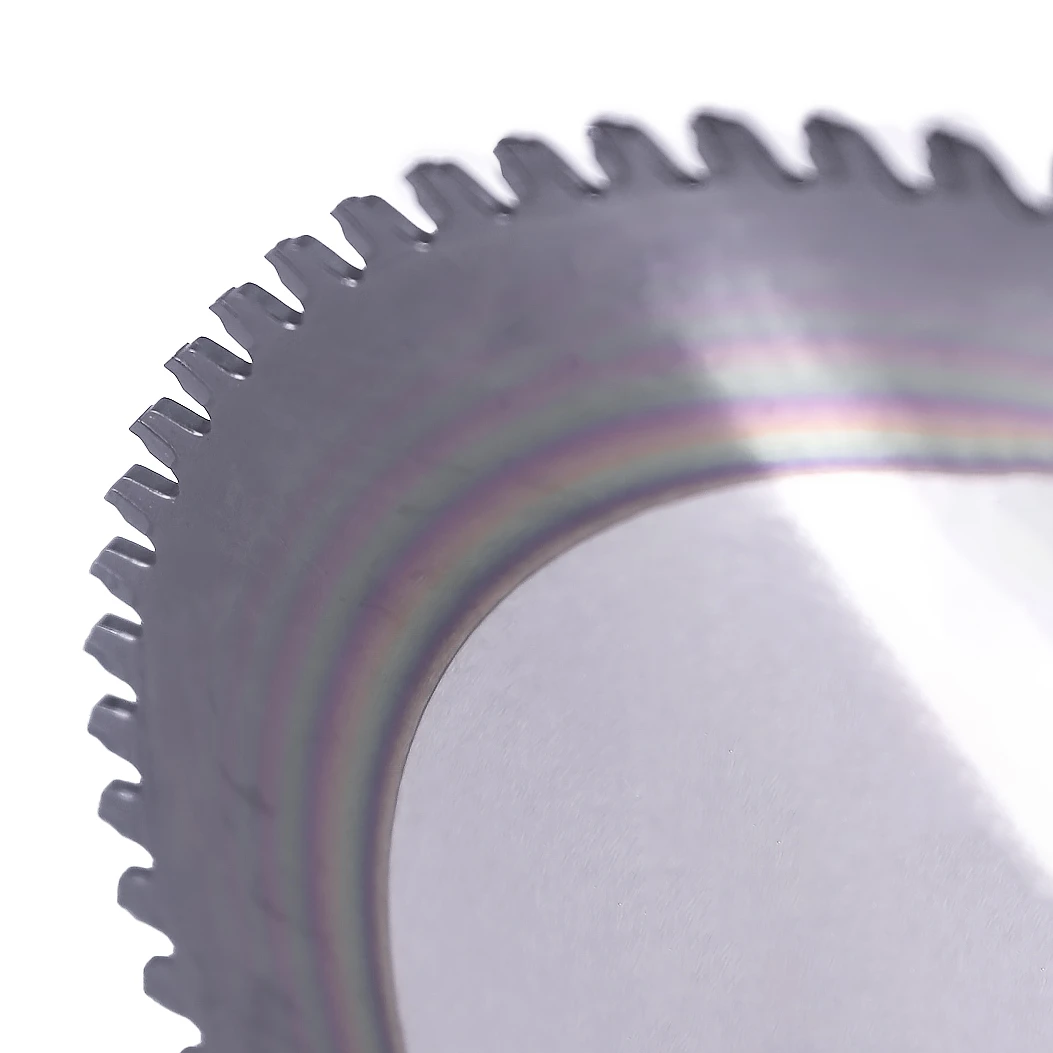
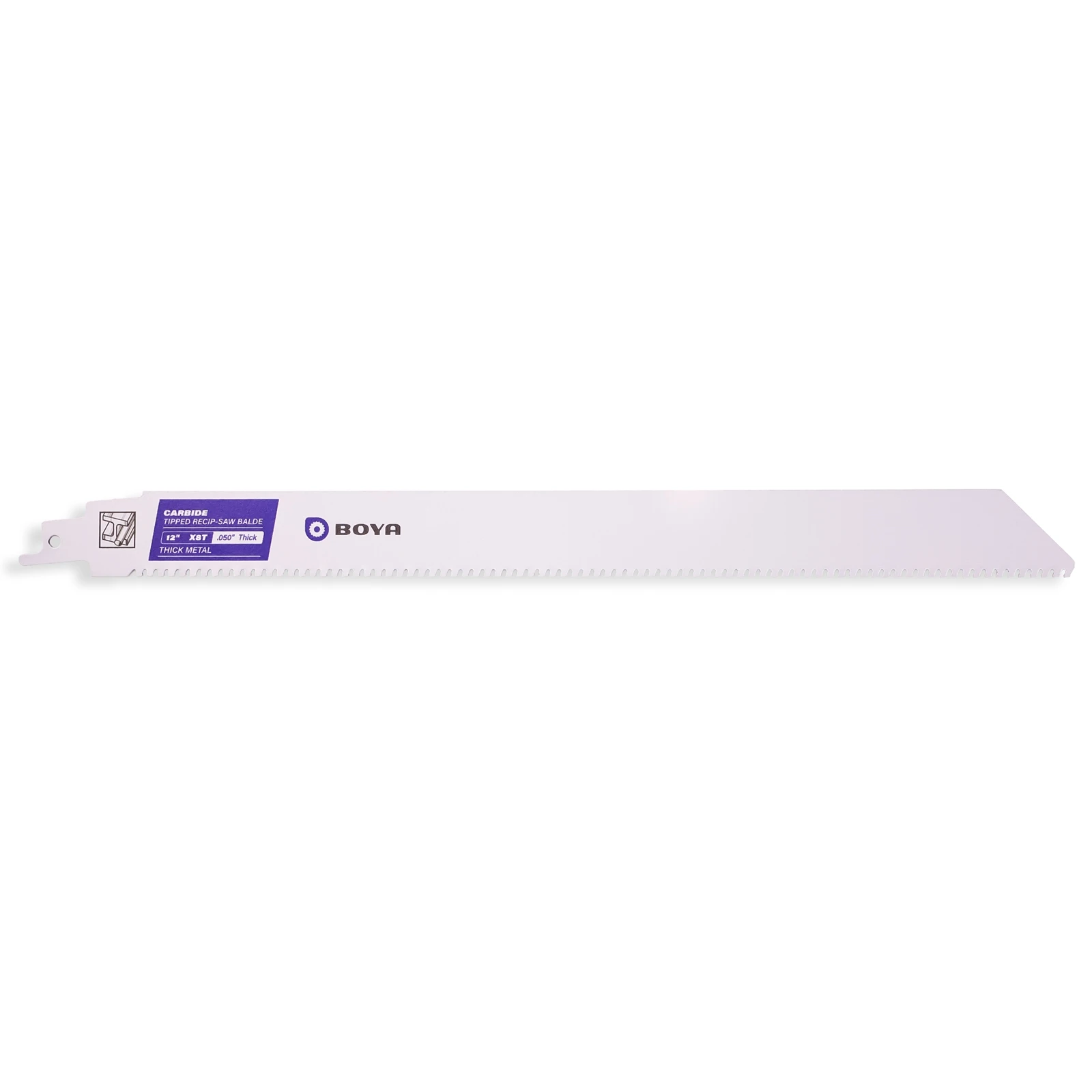
Carbide-tipped reciprocating blades represent a further advancement. Fine-grain tungsten carbide teeth exhibit exceptional abrasion resistance and high-temperature stability, allowing substantially longer service life when processing hardened steels, cast iron, or heavy-wall structural sections.
Cold saw blades also benefit from advanced carbide grades and precision grinding technologies. Their rigid machine environment, however, allows them to exploit these materials more efficiently, often achieving very long cutting lives in repetitive production settings.
Productivity, Mobility, and Cost Considerations
Cold saws offer high throughput in fixed production lines. Automatic feeding systems and programmable length stops enable continuous, repeatable processing of steel bars and tubes with minimal operator intervention. For manufacturers producing identical components in large quantities, the initial capital investment is justified by long-term productivity gains.
Reciprocating saws require significantly lower equipment investment and provide exceptional mobility. Their ability to access confined spaces, elevated structures, and installed piping systems eliminates the need for material relocation, reducing handling time and improving job-site efficiency. Maintenance is relatively straightforward, with blade replacement requiring minimal downtime.
Reciprocating saws require significantly lower equipment investment and provide exceptional mobility. Their ability to access confined spaces, elevated structures, and installed piping systems eliminates the need for material relocation, reducing handling time and improving job-site efficiency. Maintenance is relatively straightforward, with blade replacement requiring minimal downtime.
From a lifecycle cost perspective, reciprocating systems often provide a lower barrier to entry and greater versatility, while cold saws deliver maximum economic benefit in dedicated production environments with stable workloads.
Therefore
The comparison between reciprocating saws and cold saws is not a question of which technology is inherently superior, but rather which is best suited to a particular cutting environment. Cold saws provide exceptional precision, repeatability, and productivity for controlled manufacturing settings, whereas reciprocating saws deliver unmatched portability, adaptability, and convenience for construction and maintenance applications.
Advances in bi-metal and carbide blade engineering have significantly enhanced the performance of reciprocating systems, enabling cleaner cuts, improved chip management, and longer service life than ever before. At the same time, cold saws remain the benchmark for high-accuracy steel processing in dedicated fabrication facilities.