
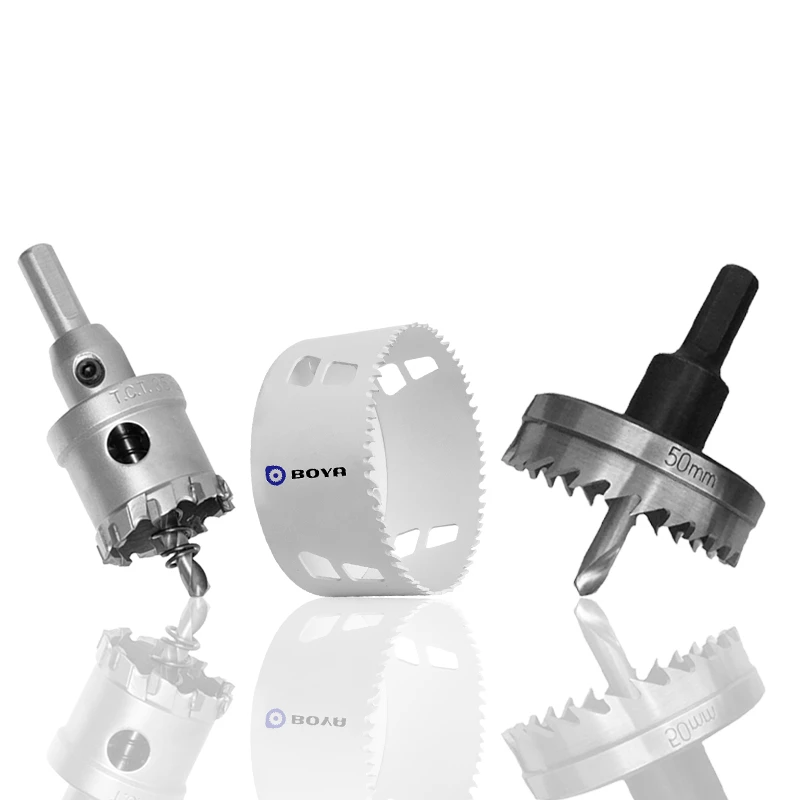
Hole saws are widely used in construction, metal fabrication, electrical installation, plumbing, woodworking, and maintenance industries because they provide an efficient solution for creating large-diameter holes without removing excessive material. However, selecting the correct hole saw for different workpieces is often underestimated. A common misconception is that the same hole saw can deliver similar performance across all materials, regardless of whether the target is a solid workpiece or a hollow profile.
In reality, solid materials and hollow structures create completely different cutting conditions. The contact area between teeth and material, cutting resistance, chip evacuation, vibration behavior, and heat generation all change significantly. Choosing the appropriate bimetal hole saw according to the material structure is essential for maximizing cutting efficiency, extending tool life, and preventing premature tooth failure.
Solid Materials Create Higher Cutting Resistance and Thermal Load
Solid materials, including steel bars, aluminum blocks, cast iron components, and thick metal plates, require the hole saw teeth to continuously engage with a large volume of material during the entire cutting process.
Unlike hollow profiles where the blade only cuts through the outer wall, solid materials generate continuous cutting pressure because every tooth remains in contact with the workpiece until the hole is completed.
This creates several technical challenges:
Higher Cutting Force
When cutting solid materials, the cutting edge must remove a continuous ring of material. The tooth load is distributed over a longer cutting distance, requiring:
●Strong tooth tips
●High wear resistance
●Stable tooth geometry
●Sufficient backing strength
For these applications, bimetal hole saws with M42 high-speed steel cutting edges are commonly selected because the cobalt-alloyed high-speed steel provides improved hardness retention under elevated temperatures.
Compared with conventional carbon steel hole saws, M42 teeth maintain cutting ability for longer periods when machining materials such as stainless steel, alloy steel, and hardened metal components.
Hollow materials, such as pipes, tubes, electrical conduits, rectangular profiles, and structural sections, present different cutting challenges.
Although the total cutting depth is usually shorter, hollow profiles often create intermittent cutting conditions. The teeth enter and exit the material repeatedly, causing changes in cutting pressure.
This interrupted cutting process can lead to:
●Increased vibration
●Tooth impact loading
●Uneven tooth wear
●Higher risk of tooth chipping
For this reason, hole saws used for hollow profiles require a balanced combination of cutting sharpness and impact resistance.
A bimetal construction is particularly suitable because the high-speed steel cutting edge provides wear resistance, while the alloy steel backing absorbs vibration and mechanical shock.
Tooth Geometry Selection: Continuous Cutting vs Interrupted Cutting
The difference between solid and hollow materials is not only related to material thickness but also to cutting stability.
For solid materials:
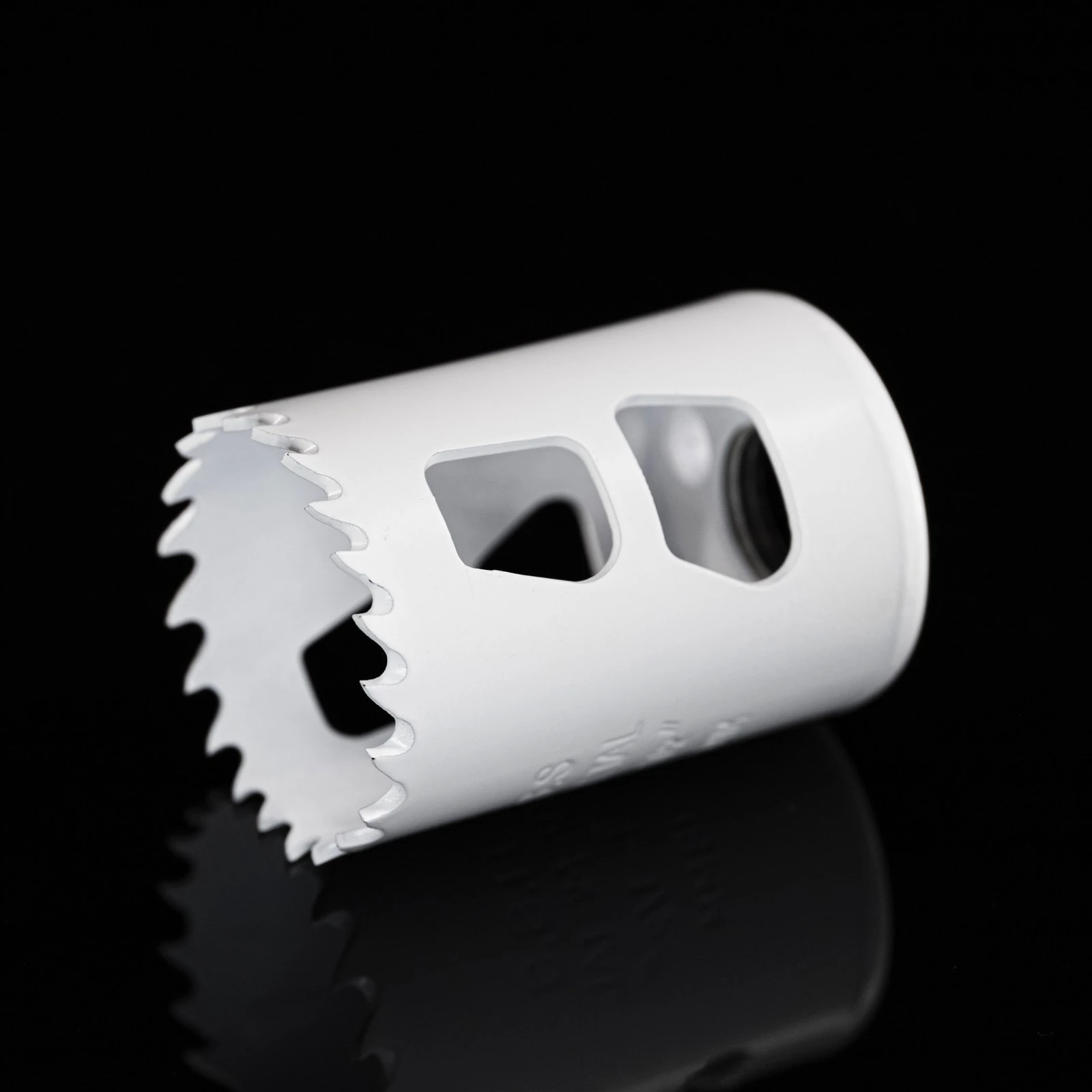
The priority is efficient material removal. Tooth designs with optimized rake angles and variable pitch patterns help maintain smooth cutting while reducing chip congestion.
For hollow profiles:
The priority is vibration control and impact resistance. Variable pitch teeth are often preferred because they reduce harmonic vibration and distribute tooth loading more evenly.
A properly designed tooth pattern helps prevent common problems such as:
●Tooth stripping
●Excessive noise
●Blade wandering
●Poor hole quality
Therefore, professional users should consider tooth geometry as carefully as material grade when selecting a hole saw.
Choosing Between 38mm and 48mm Cutting Depth Hole Saws
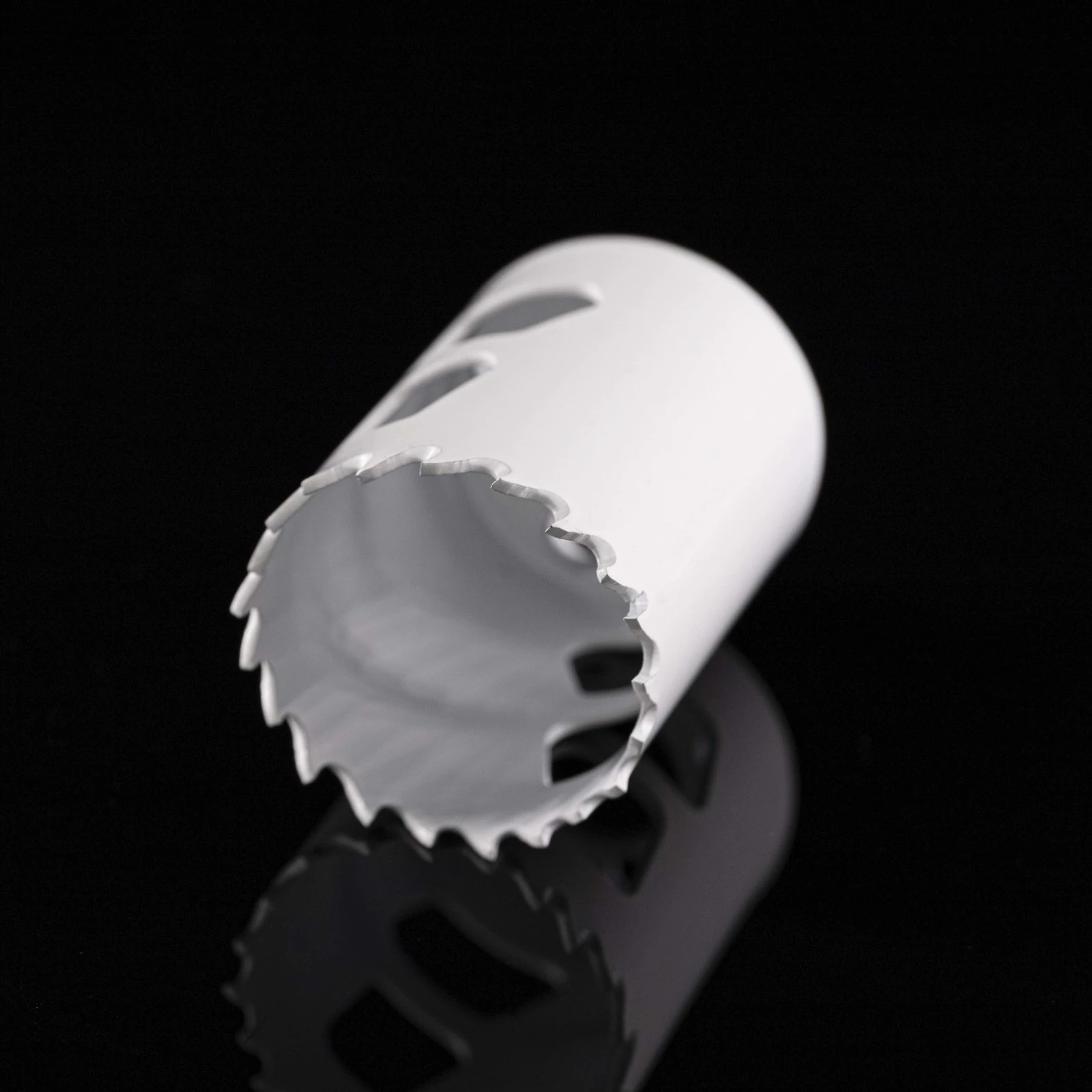
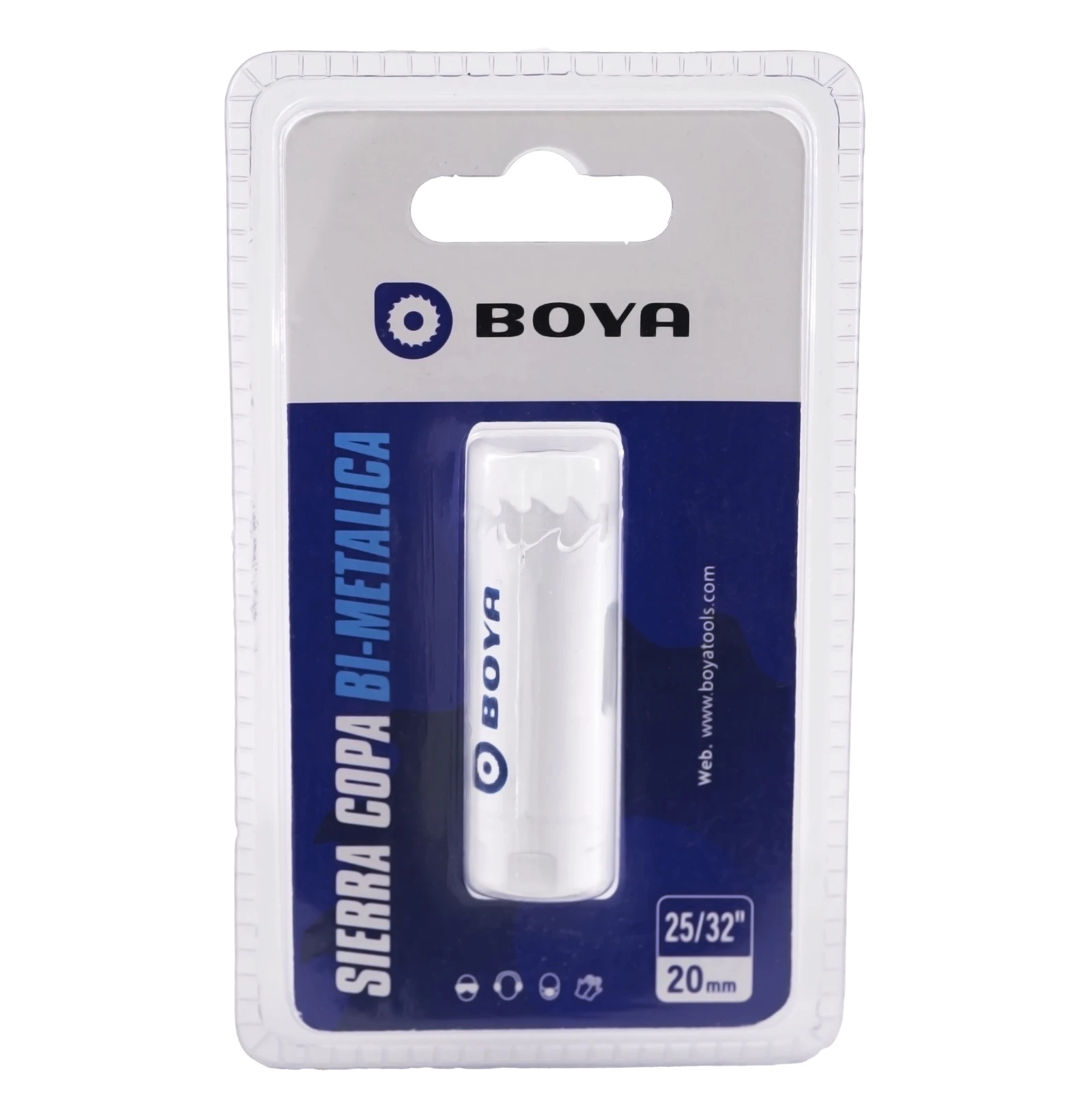
Cutting depth is another important factor when matching a hole saw to the application.
Standard 38mm cutting depth hole saws are suitable for many common applications, including:
●Electrical conduit installation
●Door lock preparation
●Plumbing pipe installation
●Sheet metal fabrication
●General woodworking
However, thicker materials require deeper cutting capability.
A 48mm cutting depth hole saw provides additional capacity for:
●Thick-wall metal pipes
●Multiple-layer materials
●Heavy-duty woodworking applications
●Structural components
For industrial users, deeper cutting capacity reduces the need for multiple passes and improves productivity during demanding operations.
We are the largest Business expert
Steel and Stainless Steel
Steel and stainless steel generate significant cutting heat due to their strength and low thermal conductivity.
Recommended considerations:
●Use M42 or higher-grade high-speed steel teeth
●Apply proper cutting lubrication
●Maintain suitable cutting speed
●Avoid excessive feed pressure
For stainless steel applications, controlling heat buildup is particularly important because excessive temperature can rapidly reduce tooth hardness.
Aluminum and Non-Ferrous Metals
Aluminum is softer than steel but produces long, sticky chips that may block the gullets.
Effective cutting requires:
●Larger tooth gullets
●Efficient chip removal
●Appropriate tooth spacing
A properly designed bimetal hole saw can achieve clean holes while reducing chip accumulation.
Wood and Composite Materials
Wood applications may appear easier, but material variation creates unique challenges.
Different wood types have different densities:
●Softwood cuts easily but may produce large chips
●Hardwood requires higher cutting stability
●Moist wood increases cutting resistance
●Plywood and laminated boards may contain adhesive layers
Bimetal hole saws provide advantages in applications where wood quality varies or where embedded nails and fasteners may be encountered.
Common Mistakes When Selecting Hole Saws
Many cutting failures are caused not by poor tool quality but by incorrect application matching.
Typical mistakes include:
●Using Carbon Steel Hole Saws for Heavy Metal Cutting
Carbon steel hole saws are suitable for light-duty applications but may lose hardness quickly during demanding metal cutting.
●Applying Excessive Feed Pressure
Higher pressure does not always increase cutting speed. Excessive force can overload teeth and accelerate wear.
●Ignoring Chip Removal
Blocked chips increase friction and heat, reducing cutting performance.
●Using One Tooth Design for All Materials
Different materials require different tooth configurations. A hole saw optimized for wood may not perform well on stainless steel or cast iron.
Selecting a hole saw requires understanding the relationship between material structure and cutting mechanics. Solid materials demand excellent wear resistance and thermal stability because the teeth experience continuous cutting loads. Hollow profiles require superior toughness and vibration resistance because the cutting process is intermittent.
Bimetal hole saws, combining high-speed steel cutting edges with alloy steel backing, provide an effective solution for both conditions when correctly matched with tooth design, cutting depth, and operating parameters.