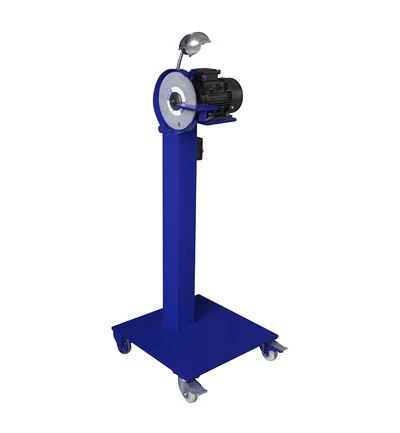

Hardwood cutting is one of the most demanding applications in the woodworking industry. Compared with softwood, hardwood generally has higher density, stronger fiber structure, and greater resistance during cutting. These characteristics create higher cutting forces, increased tooth loading, and more severe wear on band saw blades. Therefore, selecting the correct tooth design is not only related to cutting speed but also directly affects blade life, surface quality, energy consumption, and production efficiency.
A common misunderstanding is that a sharper tooth always provides better cutting performance. In reality, hardwood cutting requires a balanced combination of tooth geometry, tooth strength, gullet capacity, and cutting stability. Different hardwood species, moisture levels, material thicknesses, and cutting conditions require different band saw tooth designs to achieve optimal results.
Hardwood Cutting Challenges: Density, Fiber Structure, and Cutting Resistance
Hardwood species such as oak, maple, beech, walnut, and teak have significantly different structures compared with softwood materials like pine or fir. The dense fiber arrangement increases the resistance encountered by each tooth during penetration.
During hardwood cutting, the blade must overcome several challenges:
●Higher cutting forces caused by dense wood fibers
●Increased friction between teeth and material
●Greater risk of tooth overheating
●Higher impact loads when encountering knots or irregular grain structures
●Faster accumulation of chips inside the gullet
If the tooth geometry is not suitable, several problems may occur:
●Premature tooth dulling
●Excessive vibration
●Poor surface finish
●Reduced cutting accuracy
●Shortened blade service life
Therefore, tooth design must be optimized according to the physical characteristics of hardwood.
Hook Tooth Design: Improving Cutting Efficiency in Dense Hardwood
Hook tooth geometry is widely used for applications requiring higher cutting productivity. The positive rake angle allows the tooth to enter the hardwood fibers more aggressively, reducing cutting resistance and improving material removal efficiency.
For dense hardwood processing, hook teeth provide several advantages:
Stronger Cutting Ability
The aggressive tooth angle helps penetrate hard fibers more effectively, especially when cutting thick hardwood blocks or large timber sections.
Improved Chip Removal
Hardwood generates larger and heavier chips compared with softwood. A properly designed hook tooth provides sufficient gullet space to transport chips away from the cutting zone, reducing clogging.
Higher Productivity
In industrial woodworking operations where production efficiency is critical, hook tooth blades can maintain higher feed rates while maintaining acceptable blade life.
However, excessive aggressiveness can also increase cutting impact. For unstable materials or machines with limited rigidity, a more moderate tooth design may provide better results.
Skip Tooth Design: Reducing Clogging in Soft and Resinous Hardwood
Skip tooth blades feature larger spaces between teeth, creating larger gullets for chip storage. This design is particularly useful when cutting materials that generate large amounts of waste or sticky chips.
Although hardwood is generally dense, some species contain high moisture content or natural resin, which can cause chip accumulation.
Skip tooth designs help by:
●Increasing gullet capacity
●Improving chip evacuation
●Reducing friction caused by packed sawdust
●Maintaining smoother cutting performance
For example, freshly cut hardwood with high moisture content tends to produce heavier chips that are more difficult to remove. A skip tooth configuration can reduce the risk of blade binding and improve operational stability.
Variable Pitch Tooth Design: Controlling Vibration During Hardwood Cutting
Hardwood cutting often involves uneven grain structures, knots, and changing material density. These variations can create periodic cutting impacts and vibration.
Variable pitch tooth designs solve this problem by using different tooth spacing patterns along the blade. This reduces the possibility of tooth impact occurring at the same frequency, minimizing harmonic vibration.
Benefits include:
●Lower cutting noise
●Reduced vibration marks on finished surfaces
●Improved blade fatigue resistance
●Longer operating life
For high-quality furniture production or precision hardwood processing, variable pitch blades are often preferred because surface quality is a key requirement.
Fine Tooth vs Coarse Tooth: Choosing the Right Tooth Pitch for Hardwood Thickness
Tooth pitch selection is another important factor in hardwood cutting.
Thin Hardwood Materials
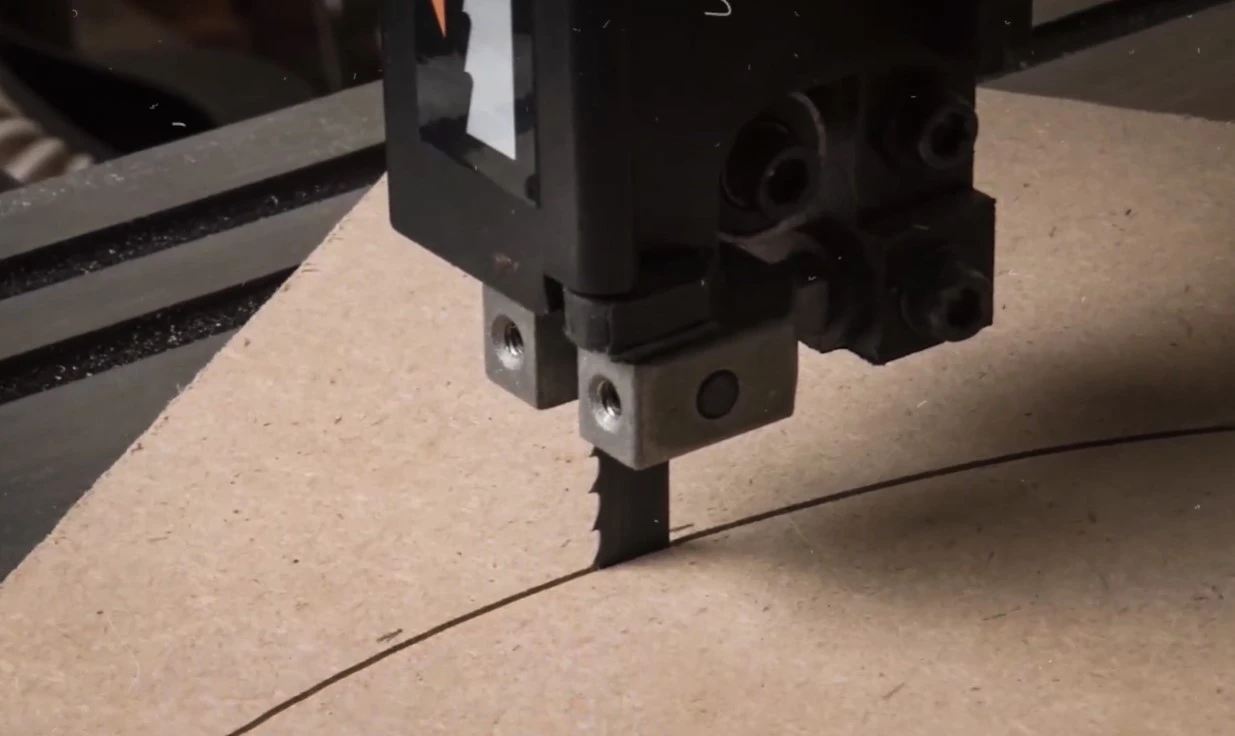
When cutting thin boards, smaller tooth spacing is usually recommended.
Advantages:
●More teeth remain engaged in the material
●Reduced tooth impact
●Smoother cutting surface
●Better control of thin sections
Thick Hardwood Materials
For large timber or thick hardwood blocks, coarse tooth designs are more suitable.
Advantages:
●Larger gullets for chip removal
●Reduced tooth loading
●Lower cutting resistance
●Better heat dissipation
Using too fine a tooth pitch on thick hardwood may cause excessive chip accumulation and overheating, while using too coarse a tooth pitch on thin materials may create rough surfaces and unstable cutting.
Moisture Content: Why Wet and Dry Hardwood Require Different Blade Design
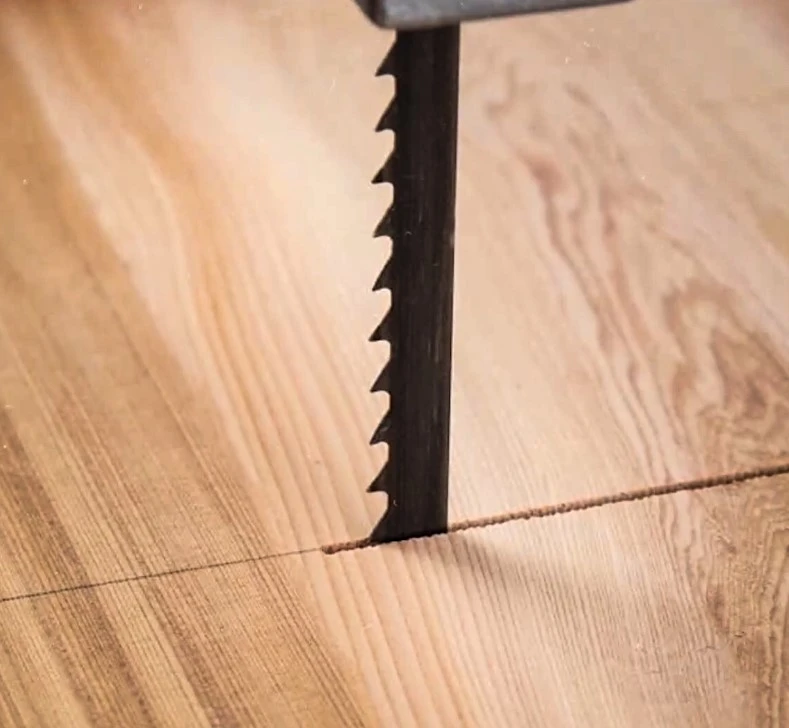
The moisture condition of hardwood significantly influences cutting behavior.
Wet Hardwood
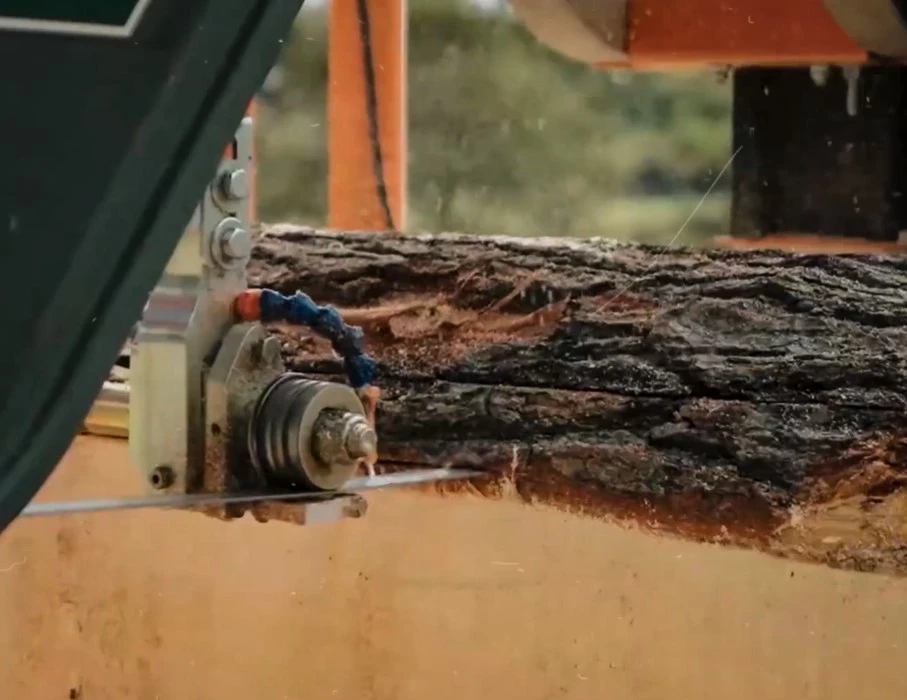
Freshly processed hardwood contains high moisture, making chips softer and more adhesive. The blade needs:
●Larger gullets
●Better chip clearance
●Reduced tooth congestion
Skip tooth designs are often effective in these conditions.
Dry Hardwood
Dry hardwood becomes harder and more abrasive. Cutting requires:
●Stronger tooth tips
●Better wear resistance
●Stable cutting edges
A sharper but stronger tooth profile is preferred to maintain cutting performance over longer periods.
Hardwood With Knots and Defects: The Importance of Tooth Strength
Natural hardwood frequently contains knots, irregular grain directions, and embedded defects. These areas create sudden increases in cutting resistance.
For such applications, tooth strength becomes more important than maximum cutting aggressiveness.
Recommended features include:
●Reinforced tooth geometry
●Stronger tooth back support
●Moderate rake angles
●Improved impact resistance
A balanced tooth design prevents tooth breakage while maintaining acceptable cutting speed.
Carbon steel band saw blades are commonly used for general woodworking due to their sharp cutting edges, good flexibility, and cost-effectiveness;
For more demanding hardwood processing applications, bi-metal band saw blades offer the advantages of higher tooth hardness, superior wear resistance, and a longer service life under high-intensity cutting conditions.
Therefore, Correct Tooth Design Is the Key to Efficient Hardwood Cutting
Hardwood cutting is not simply a matter of using a sharper blade. Different hardwood species, thicknesses, moisture levels, and production requirements create different cutting challenges.