
Carbon steel band saw blades, specifically designed for bone‑in meat cutting, are becoming essential tools in commercial kitchens, butcher shops, and food processing plants. These blades are engineered for strength, sharpness, and durability, allowing for efficient cuts through meat and bones while minimizing the need for frequent blade replacements. By reducing friction and retaining sharpness for longer, they increase machine lifespan and decrease downtime, leading to significant savings in high‑volume meat cutting operations. The reduction in downtime not only enhances productivity but also helps reduce labor costs, as fewer blade replacements and maintenance tasks are needed.
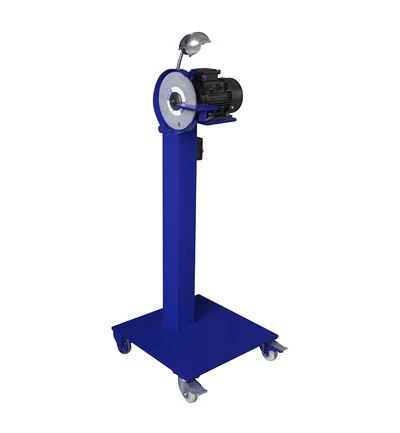
Repeated use causes the teeth of carbon steel blades to naturally dull due to the abrasive nature of bones and connective tissue. Dull blades increase resistance, produce excess heat, and lead to uneven cuts, putting strain on saw machinery. This wear can also result in more meat trimmings and less precise cuts, reducing yield. Regular sharpening is essential for maintaining optimal productivity. Moreover, a sharp blade ensures cleaner cuts, which contributes to higher quality meat products and better customer satisfaction.
Optimized Design for Bone and Meat Cutting
Blades designed for bone‑in meat cutting typically have low TPI (3 TPI), which enables the efficient removal of large amounts of material with reduced cutting resistance, particularly when dealing with tough products like beef, pork, or frozen meat. Some blades feature 4 TPI, providing smoother cuts while still handling bones and muscles effectively. The larger tooth spacing enhances chip removal, a critical factor when cutting through bone‑in products at high throughput.
Carbon steel blades for meat cutting are often heat-treated to harden the teeth, improving their service life and sharpness, even under constant use with abrasive materials. High‑quality carbon steel with heat-treated teeth is commonly used in blades marketed to professionals in the meat processing industry.
The TPI selection should be based on both the material density and bone type. Softer bones, like poultry, may require a different TPI than tougher bones, such as beef femurs. This ensures the best performance and reduces wear on the blade and saw.
Widespread Use and Application
Carbon steel band saw blades are essential in restaurants, supermarkets, slaughterhouses, and meat processing plants, where performance and hygiene are crucial. They are tailored to fit a range of commercial band saw machines, available in sizes suited to different models (e.g., 65 in., 108 in., 124 in., 142 in.). Many blades come in multi‑packs, supporting the ongoing needs of high‑volume operations.
To ensure optimal hygiene and safety in food processing, many manufacturers wrap the blades in rust‑inhibiting protective paper during storage and transport, maintaining the integrity of the blades and meeting food safety standards.
Balancing Performance and Cost
While other materials like stainless steel are used for food cutting, carbon steel remains a cost‑effective solution for bone‑in meat cutting, especially in high‑volume settings. Compared to stainless steel, carbon steel blades offer better sharpness retention and are easier to maintain, though they require protection from moisture to avoid corrosion over time.
As the demand for reliable and cost-effective bone‑in meat cutting grows in commercial environments, carbon steel band saw blades remain a trusted choice, offering excellent cutting performance, durability, and efficiency at a lower cost compared to alternatives. They are also gaining popularity in sustainable meat processing practices because they can be milled multiple times, thereby reducing waste and extending product shelf life.Their optimal tooth design, tough hardening process, and broad compatibility with various saws make them an ideal solution for businesses focusing on productivity and quality.