
Enthusiasts and professionals alike have been exchanging practical modifications to extend blade life, enhance cutting accuracy, and reduce operator fatigue when using reciprocating saws.
⊙Let's take a look at the most popular Top 5 DIY Reciprocating Saw Blade Hacks from user communities⊙
1. Temporary Guide Block for Precision Cuts
Many users create a simple guide block-often from scrap wood or aluminum-clamped alongside the workpiece. This block stabilizes the blade path, resulting in square, repeatable cuts even with wavy "demolition" blades.
2. Custom Blade‑Holding Handle
In situations where the saw body can't reach, hobbyists fabricate lightweight handles or jigs to hold bare blades, effectively turning them into compact manual saws. This hack boosts flexibility in tight spaces and small‑scale tasks.
3. Vibration‑Damping Modifications
Excessive vibration not only fatigues the operator but also accelerates blade wear. Recommend disabling orbital action when cutting metal and ensuring the saw's shoe is flush against the material. Some add rubber pads or spring mounts at the blade clamp to absorb shocks and improve stability.
4. Blade Sharpening and Re‑Profiling
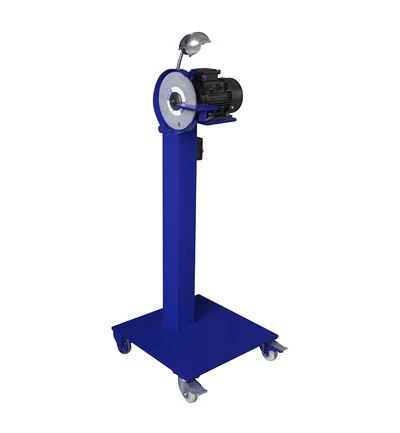
Rather than discarding dull blades, operators use bench‑mounted grinders or portable sharpeners to remove burrs, restore tooth geometry, and optimize chip clearance. Proper sharpening can double blade life and maintain consistent cutting speed.
5. Material‑Specific Blade Selection
Choosing the right TPI and blade material for the workpiece is perhaps the simplest yet most effective hack. For fast wood cuts, low‑TPI carbon blades excel; for clean metal cuts, higher‑TPI bi‑metal blades are preferred.
Summary
These hacks-ranging from simple jigs to precision sharpening-demonstrate how modest DIY tweaks can significantly improve reciprocating saw performance, extend blade service life, and reduce user fatigue. By adopting even one of these tips, operators can achieve cleaner cuts, lower costs, and safer.