
In contemporary industrial fabrication, bi-metal bandsaw blades have become a fundamental cutting solution for processing structural steel, hollow sections, profiles, and tubular materials. By combining hardened high-speed steel (HSS) cutting edges with a tough, fatigue-resistant spring steel backing, these blades deliver an effective balance of flexibility, wear resistance, and service life required for demanding sawing operations in construction, manufacturing, and machine shops.
Structural Steel Cutting Requirements and Blade Design
Structural components such as I-beams, channels, angles, and steel tubing present complex cutting conditions due to their uneven cross-sections, variable wall thicknesses, and high mechanical strength. Bi-metal bandsaw blades are specifically engineered to address these challenges through optimized material selection and tooth geometry. The HSS tooth tips-commonly manufactured from M42 or M51 grades with elevated cobalt content-offer high hardness and thermal stability, enabling consistent cutting performance under elevated temperatures and heavy cutting loads. Meanwhile, the spring steel backer absorbs cyclic bending stresses, allowing the blade to withstand deep, interrupted, and long-duration cuts.
To further enhance cutting efficiency and blade longevity, modern designs incorporate variable pitch patterns, optimized hook angles, and precision-ground tooth profiles. Variable pitch configurations help suppress harmonic vibration, reducing chatter and improving surface finish on irregular or asymmetrical profiles. Ground tooth geometries promote smoother material engagement and improved chip evacuation, minimizing localized stress and heat buildup-key advantages when cutting bundled materials, thick solids, or tubular sections prone to chip congestion.
Performance Advantages in Fabrication Environments
A major benefit of bi-metal bandsaw blades lies in their ability to maintain a favorable balance between cutting speed and blade life, directly influencing productivity in high-throughput fabrication settings. Compared with conventional carbon steel blades, bi-metal options demonstrate significantly higher fatigue resistance, enabling them to perform reliably in both continuous and intermittent cutting cycles with reduced risk of premature failure. Their advanced tooth designs allow a single blade to handle a wide spectrum of materials-from mild carbon steels to higher-strength structural alloys-thereby reducing blade change frequency and minimizing operational downtime.
In structural steel applications, stable chip formation and vibration control are critical. Blades designed for these tasks often feature consistent tooth height and carefully optimized rake angles, ensuring uniform chip loading and reducing tooth stripping, especially during interrupted cuts such as those encountered in bundled beams or hollow profiles. The result is improved cut quality, lower noise levels, and extended blade service life, all of which are essential in professional fabrication and welding operations.
Cutting Pipes, Tubes, structural steel and Hollow Profiles
The application range of bi-metal bandsaw blades extends beyond solid sections to include pipes, tubes, and other hollow profiles, which introduce additional cutting challenges. As the blade transitions between outer and inner walls, variations in cutting resistance can lead to instability if not properly managed. BOYA's KL toothed blade design help smooth these transitions, maintaining directional stability and reducing blade drift. Precision-ground teeth with rake angles further enhance penetration and accuracy, making these blades well suited for pipe and tube cutting tasks that demand tight dimensional control.
Many modern bi-metal blade variants are engineered as multi-material solutions, capable of cutting carbon steel, alloy steel, structural sections, and pipes without frequent blade changes. Equipped with M42 tooth edges and alternating tooth arrangements, these blades disrupt repetitive vibration patterns and ensure stable cutting behavior across diverse metallurgical applications.
Blades intended for heavy structural cutting often employ wider tooth spacing to improve chip clearance in thick sections, while mid-range pitches provide versatility across varying profile sizes.

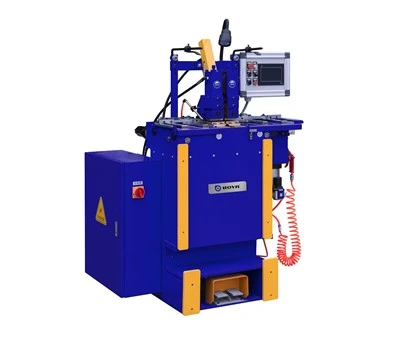
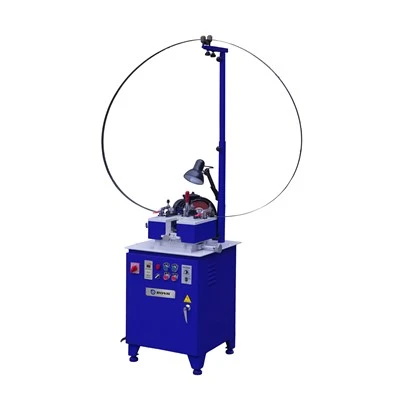
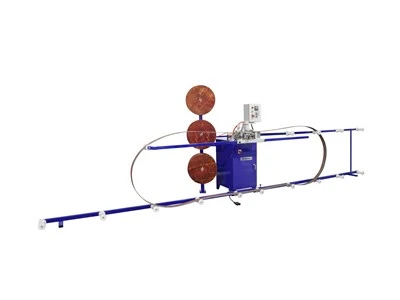
Improvements in welding technology used to bond the HSS tooth strip to the backing material have also contributed to enhanced blade reliability. Stronger, more consistent welds increase fatigue resistance at the joint, lowering the risk of blade breakage under repetitive stress or heavy feed conditions. When combined with progressive tooth geometries, these manufacturing refinements deliver blades with both extended service life and consistent cutting accuracy in demanding industrial environments.
Productivity, Precision, and Blade Selection

Beyond cutting capability alone, modern bi-metal bandsaw blades are designed to support overall process efficiency. Precisely engineered tooth profiles help limit material distortion and reduce heat-affected zones-critical factors when tight tolerances are required in structural components or precision-machined parts. Efficient chip evacuation further reduces heat accumulation, preserving dimensional accuracy during prolonged cutting operations.
Selecting the optimal blade involves evaluating material grade, section thickness, and machine specifications. For heavy solids and large structural sections, more aggressive tooth pitches combined with robust backing materials provide the rigidity needed to maintain cut stability and minimize blade change interruptions.
Bi-metal bandsaw blades have firmly established their role as indispensable tools for cutting structural steel and complex profiles, offering a combination of durability, accuracy, and versatility that surpasses traditional blade technologies. As advancements in HSS materials, tooth geometry, and manufacturing integration continue, these blades are expected to remain central to modern steel fabrication-supporting higher productivity, improved cut quality, and evolving industrial requirements.